Maximizing your tax refund can significantly impact your financial well-being. Understanding the tax refund process is crucial for achieving this goal. Many taxpayers miss out on potential refunds due to lack of knowledge.
This guide will provide essential tips to help you maximize your tax refund. From understanding IRS direct deposit eligibility to knowing the 3000 IRS tax refund schedule for 2025, we’ve got you covered.
We’ll explore strategies to increase your refund through deductions and credits. Avoiding common mistakes can also expedite your refund process.
Stay informed and plan ahead to ensure you receive the maximum refund possible. Let’s dive into the details and make the most of your tax return.
Understanding the Tax Refund Process
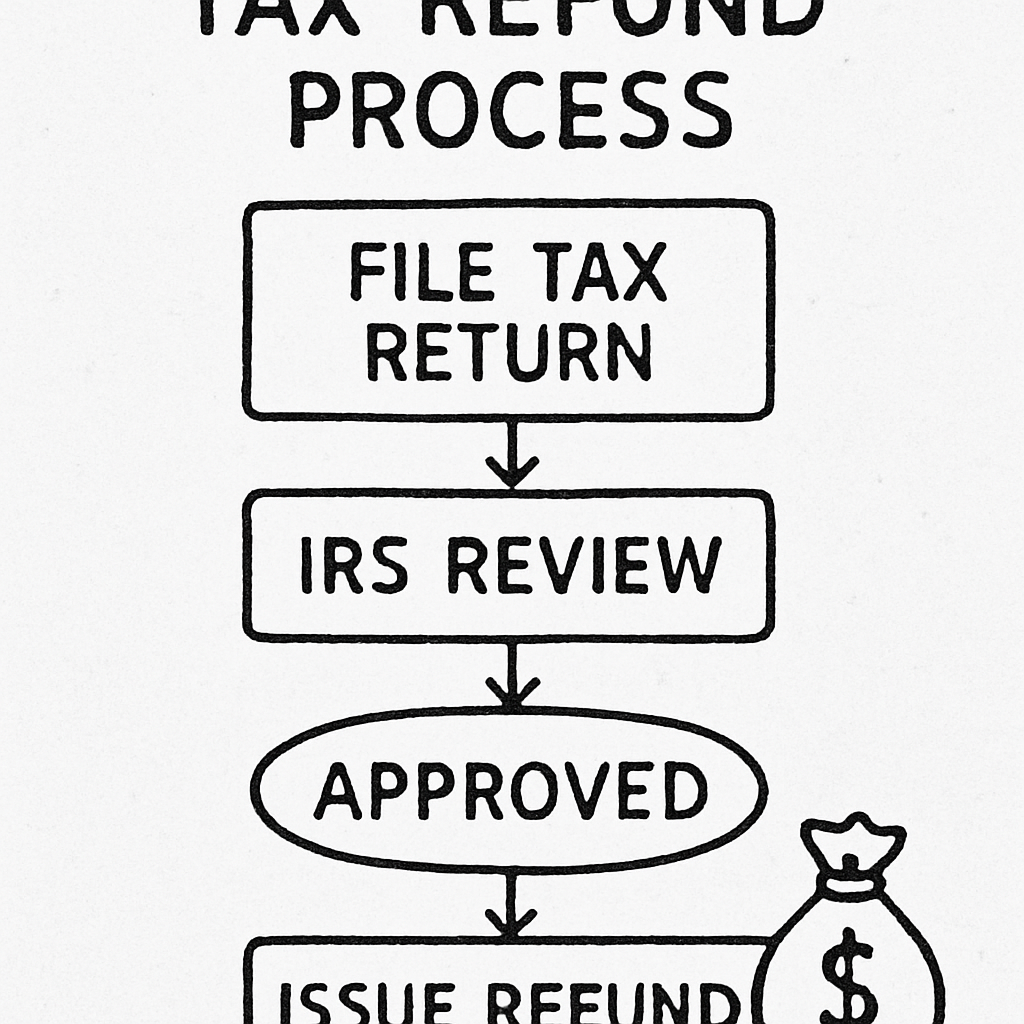
The tax refund process can seem complicated but is straightforward once you understand the basics. When you file your taxes, you report your annual income and deductions. The IRS uses this information to calculate your tax liability.
If your tax payments throughout the year exceed your liability, you receive a refund. This process ensures that taxpayers do not overpay their taxes. To gain clarity, focus on accuracy and timeliness when filing your return.
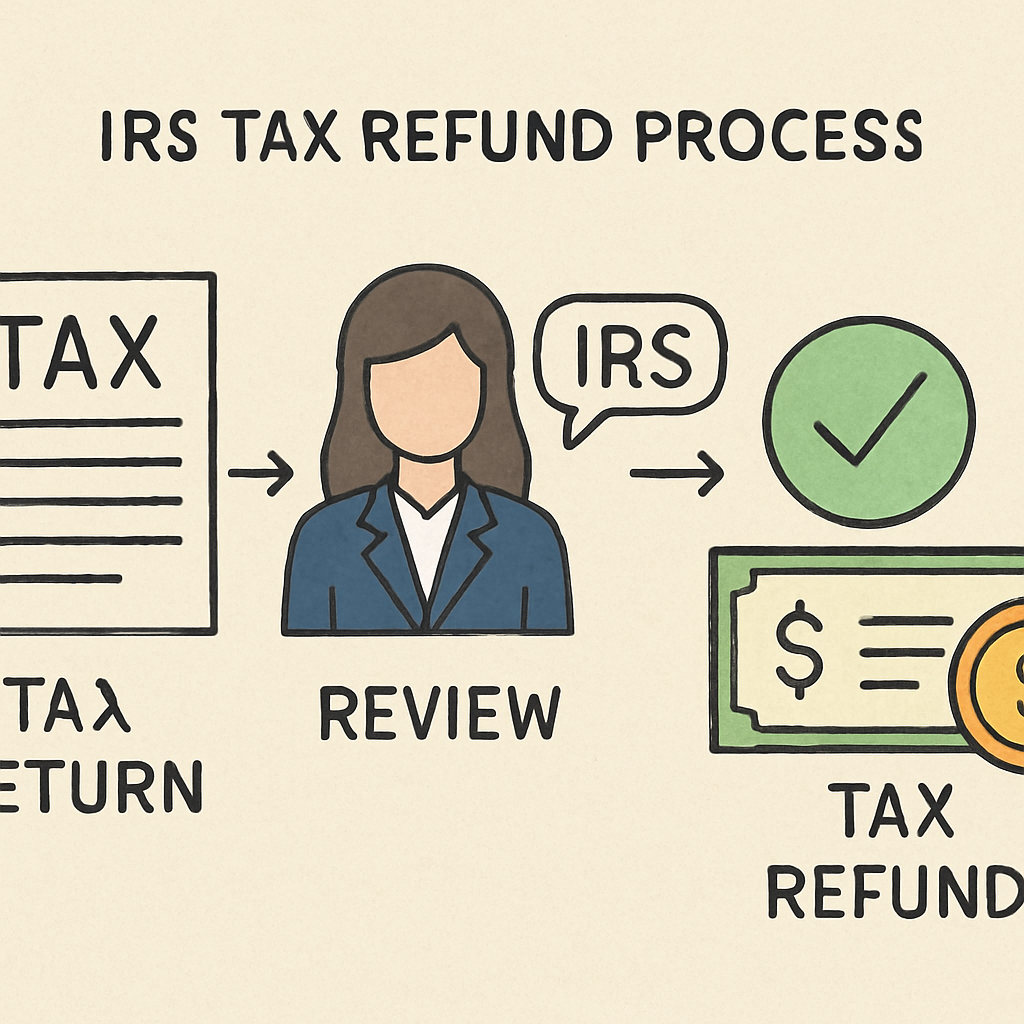
There are several steps in the tax refund process. These include:
- Filing your tax return accurately.
- Ensuring all income and deductions are reported.
- Checking your refund status using the IRS tool.
Understanding these steps can help expedite your tax refund. Be diligent and avoid errors to receive your refund promptly.
IRS Tax Refund Direct Deposit Eligibility
Direct deposit is the fastest way to receive your tax refund. However, understanding the eligibility criteria is crucial to avoid any delays. The IRS sets specific guidelines to ensure the security and efficiency of direct deposits.
First, ensure your bank account is in your name. Also, ensure it’s an account that allows electronic transactions. Most importantly, confirm that the details you provide match IRS records.
Here are some key eligibility factors for direct deposits:
- Valid U.S. financial institution account.
- Correct routing and account numbers.
- Consistency with past IRS records.
Meeting these criteria is essential for seamless processing. Once you confirm eligibility, expect your refund faster, typically within 21 days. Direct deposits minimize waiting time compared to paper checks.
The 3000 IRS Tax Refund Schedule 2025: Key Dates to Know
Staying updated on the IRS refund schedule can prevent unnecessary stress. The 3000 IRS Tax Refund Schedule for 2025 provides crucial dates for processing and issuing refunds. Knowing these dates helps you anticipate when to receive your refund.
Anticipating the refund timeline ensures better financial planning. Mark these significant dates on your calendar to stay prepared. The IRS typically releases specific schedules for different filing windows.
Here are critical dates from the 2025 schedule:
- Early February: Start of tax return processing.
- March 15: Deadline for early filers to expect refunds.
- April 15: Standard tax filing deadline.
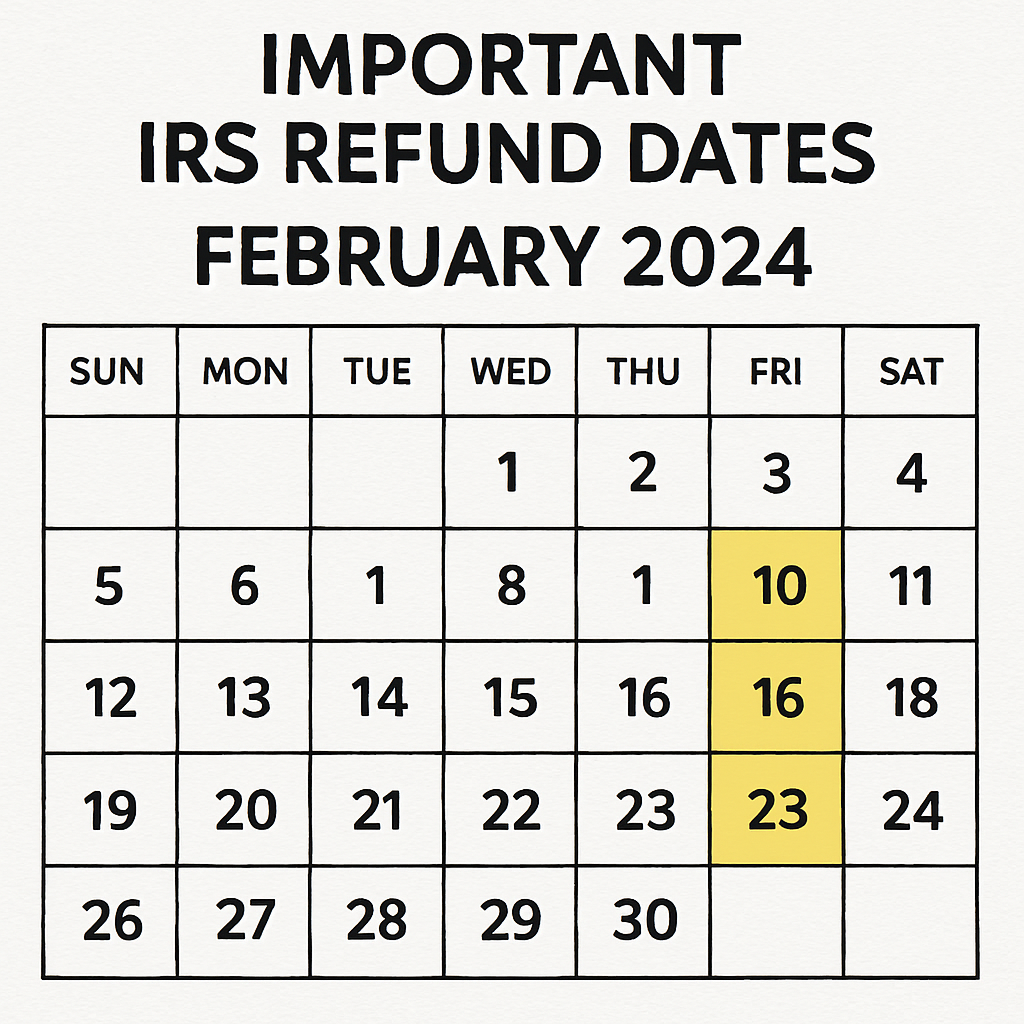
Understanding this schedule keeps you informed and organized. Ensure you file within these timelines to avoid any disruptions. Being proactive in checking the 2025 schedule is the first step in streamlined tax handling.
Top Strategies to Maximize Your Tax Refund
Maximizing your tax refund can feel overwhelming, but a few strategic steps can make a significant difference. First, ensure you understand all available tax deductions and credits. This knowledge can drastically impact your refund.
Filing early is another simple yet effective strategy. Early filing often leads to faster processing times and reduces the chance of identity theft. Plus, it allows more time to tackle any issues that may arise.
Consider adjusting your withholding if your refund was larger or smaller than expected last year. Proper withholding ensures your finances are balanced throughout the year, potentially leading to a steadier cash flow.
Using tax software or hiring a professional can also enhance your refund outcome. These tools ensure accuracy in your tax return and help uncover potential savings.
Here are critical deductions and credits to consider:
- Mortgage interest
- Medical expenses
- Charitable donations
And don’t forget these impactful tax credits:
- Earned Income Tax Credit (EITC)
- Child Tax Credit
- Education credits

Finally, keep detailed records of all financial transactions. Organized records can make a significant difference in claiming deductions correctly. Being strategic and informed is key to maximizing your refund outcome.
Common Tax Deductions and Credits to Boost Your Refund
Understanding tax deductions and credits is crucial for maximizing your tax refund. Many taxpayers overlook available deductions, missing out on potential savings. It’s essential to identify which deductions apply to your situation.
Common deductions include those for student loan interest, which can save you a sizable amount. Mortgage interest and medical expenses are also valuable deductions. These can significantly reduce your taxable income.
In addition to deductions, tax credits can substantially increase your refund. Credits are even more advantageous as they directly reduce the tax owed. The Earned Income Tax Credit (EITC) is one such credit worth exploring.
Below is a list of important deductions and credits to consider:
- Student loan interest deduction
- Mortgage interest deduction
- Medical expense deduction
- Earned Income Tax Credit (EITC)
Taking the time to review these potential savings is crucial. They can lead to a larger refund and more money in your pocket. Each deduction and credit makes a difference, so don’t miss out.
Avoiding Delays and Mistakes in Your Tax Return
Filing an error-free tax return is key to receiving your refund promptly. Mistakes can lead to delays, causing unnecessary frustration.
Double-checking your return before submission helps avoid common errors. Simple mistakes like incorrect Social Security numbers are easy to fix. However, they can cause significant processing delays if missed.
Keeping accurate records throughout the year simplifies tax filing. Organized records ensure that all necessary documents are available when needed. This practice also aids in catching any overlooked deductions or credits.
Here’s a list of tasks to minimize errors:
- Verify all personal information is correct
- Ensure accurate reporting of income
- Double-check deductions and credits claimed
By following these steps, you reduce the risk of errors. A carefully prepared return ensures a smooth refund process.
Tracking and Using Your Tax Refund Wisely
Once your tax return is filed, keeping tabs on your refund status is crucial. The IRS offers a helpful “Where’s My Refund?” tool. This tool provides updates on your refund’s progress.
Effective use of your tax refund can enhance your financial situation. Consider dividing your refund among several priorities. This can include savings, paying down debt, or making essential purchases.
Here are some smart ways to use your refund:
- Build or reinforce an emergency fund
- Pay off high-interest loans
- Invest in retirement savings
By planning ahead, your refund can make a significant difference. Thoughtful use now sets a strong foundation for financial wellness later.
Conclusion: Plan Ahead for a Bigger Refund Next Year
Planning is key for maximizing future tax refunds. Start by staying organized and keeping track of deductible expenses throughout the year. This can save you time and maximize your refund.
Consider adjusting your withholdings to better match your actual tax liability. Doing so can lead to a more substantial refund next year. Remember, proactive tax planning can make all the difference.