Navigating the state refund process can be confusing. Each state has its own rules and timelines. Understanding these can help you manage your expectations and plan your finances better.
A state tax refund is the return of excess taxes paid to the state. It’s important to know how to check your tax refund status. This ensures you stay informed about any potential delays or issues.
In this guide, we’ll explain the state refund process. We’ll also provide tips for a smooth experience. Let’s dive in and simplify your state tax refund journey.
What Is a State Tax Refund?
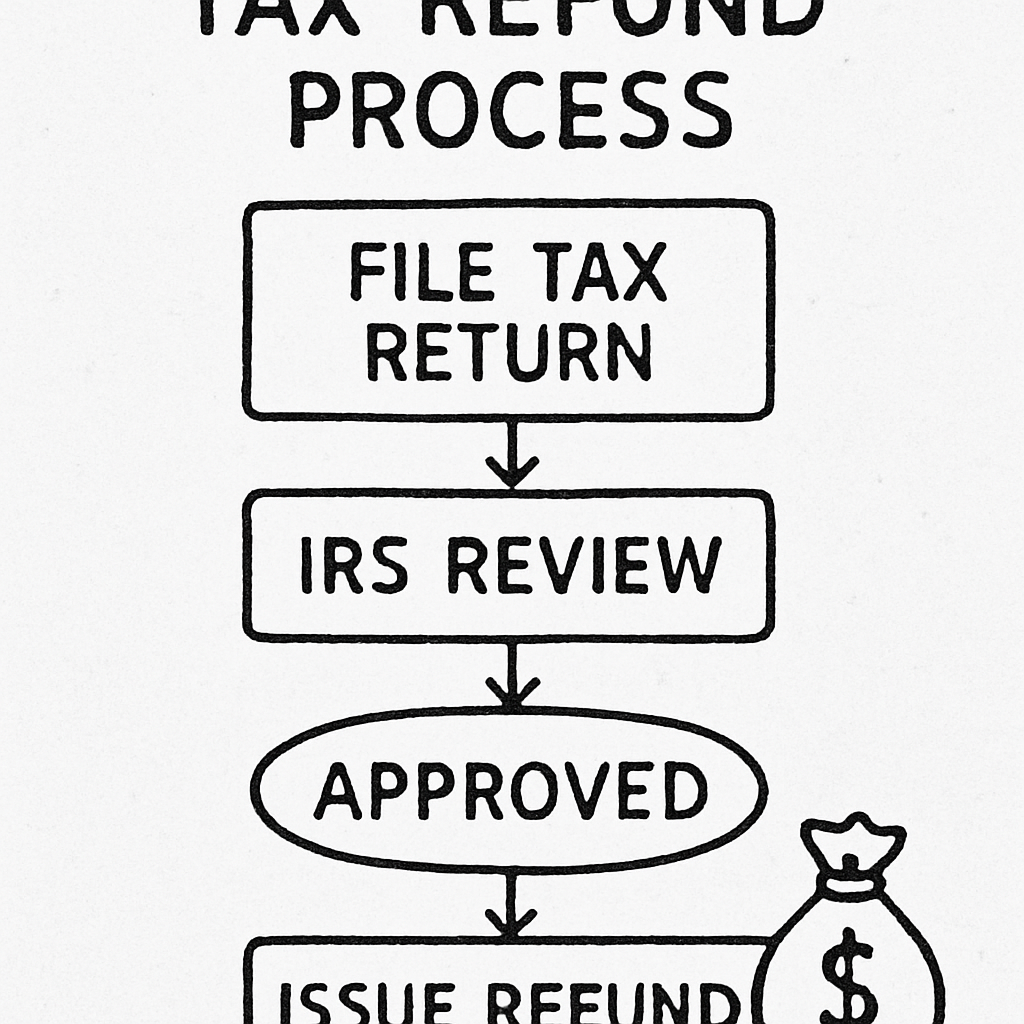
A state tax refund occurs when you pay more taxes than you owe to the state. The excess amount is returned to you, typically after you file your state tax return.
The amount of your refund depends on various factors, including taxable income and state-specific deductions. Each state may have different rules for calculating the refund.
Here are some key points to consider:
- You must file a state tax return to receive a refund.
- Refunds are typically issued after your return is processed.
- The refund process is separate from the federal tax refund process.
Understanding this process helps you anticipate your financial situation after filing.
How to Check Your State Refund Status
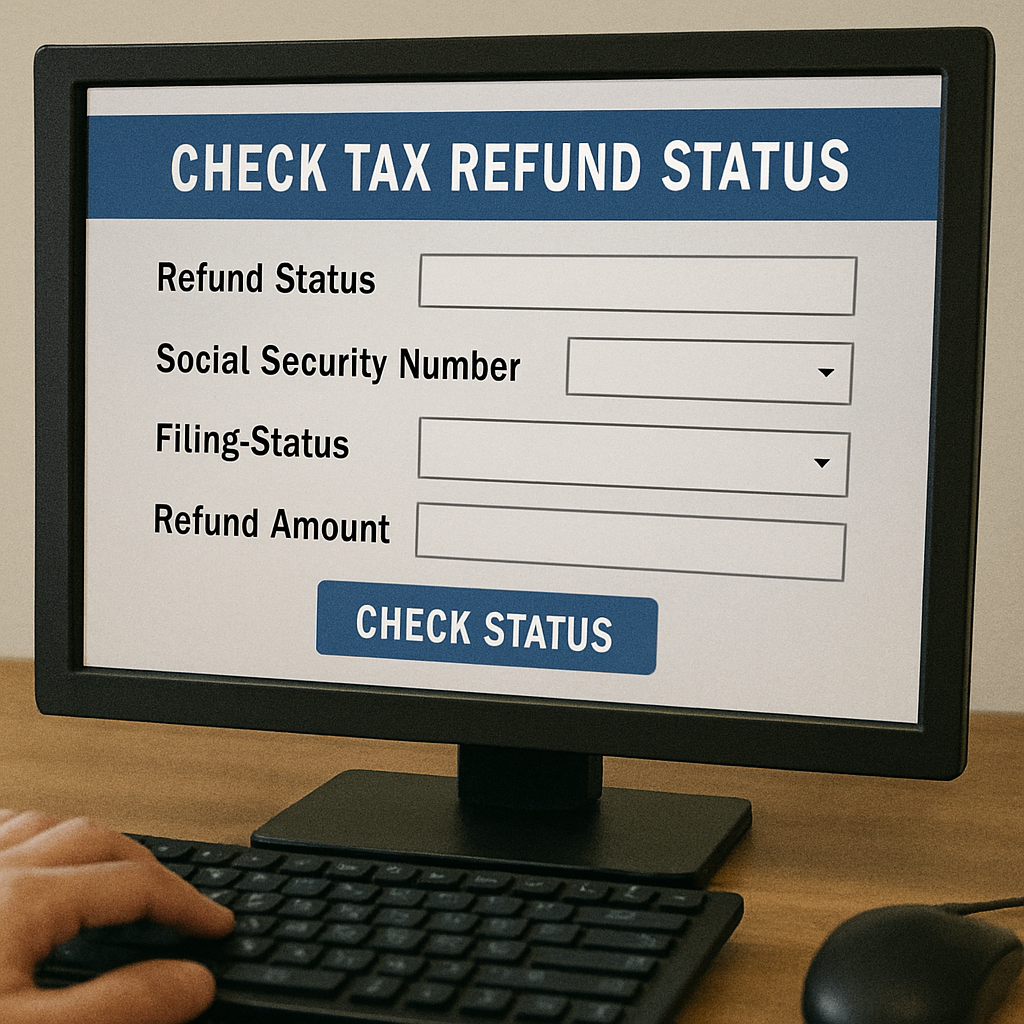
Keeping track of your state tax refund status is crucial. Most states allow you to check your status online. This can ease the waiting period and provide peace of mind.
Typically, you’ll need your Social Security Number and the exact refund amount to access your status. Ensure you have this information readily available before checking. This will help you navigate the system smoothly.
Here’s how you can check your refund status:
- Visit your state’s tax department website.
- Enter your Social Security Number and refund amount.
- Follow the prompts to view your refund status.
Some states even offer mobile apps to track your refund. Knowing your refund status helps you plan finances accordingly.
Common Reasons for Refund Delays
Refund delays can be frustrating, but understanding the causes can help. Various issues might slow down your state tax refund. Being aware allows you to address them proactively.
Here are some typical reasons for delays:
- Errors in your tax return data
- Incomplete or missing information
- Identity verification challenges
Errors are a primary cause of delay. Ensure all your details are accurate. Even small mistakes can lead to weeks of waiting. Double-check entries to avoid common errors.
Sometimes, additional identity checks are necessary. This measure prevents fraud but can lengthen processing time. Be patient and respond promptly to any verification requests.
Tips for a Smooth State Refund Process
A smooth refund process begins with preparing an accurate tax return. Double-check all entries to prevent errors and omissions. This attention to detail can save time later.
Consider filing your taxes electronically. E-filing often speeds up processing and reduces potential human errors. Plus, it can lead to quicker state tax refund issuance.
Here are additional tips for a streamlined refund experience:
- Opt for direct deposit over paper checks.
- Verify your Social Security Number for accuracy.
- Keep your contact details up to date with the tax department.
Frequently Asked Questions About State Refunds
Many taxpayers have questions about their state refund process. Understanding common inquiries can aid in navigating potential challenges. Here, we address a few frequently asked questions.
What if my refund is delayed? Check your tax refund status online first. Contact your state’s tax department if it takes too long.
Can I file my state taxes late? States have specific deadlines that vary. Filing late may result in penalties and delays.
Here’s a quick list of FAQs:
- How can I correct a mistake on my return?
- Do all states provide refunds?
- Is direct deposit more secure than receiving a check?