Unclaimed money might be waiting for you. It’s money or property that people forget about. This can include old bank accounts, uncashed checks, or insurance payouts.
Every state in the U.S. holds unclaimed funds. They keep these assets safe until the rightful owner claims them. The process to find and claim your money is easier than you might think.
Websites like MissingMoney.com and Unclaimed.org can help you search. These are official resources, and they are free to use. You can start your search with just your name.
Be cautious of scams that charge fees to find unclaimed money. Always use official state resources to ensure your safety. Finding your unclaimed money can be a rewarding experience.
What Is Unclaimed Money and Unclaimed Property?
Unclaimed money refers to financial assets that people have left behind. This can happen for many reasons, such as forgetting about an old bank account or not cashing a check. These funds remain dormant, waiting for someone to claim them.
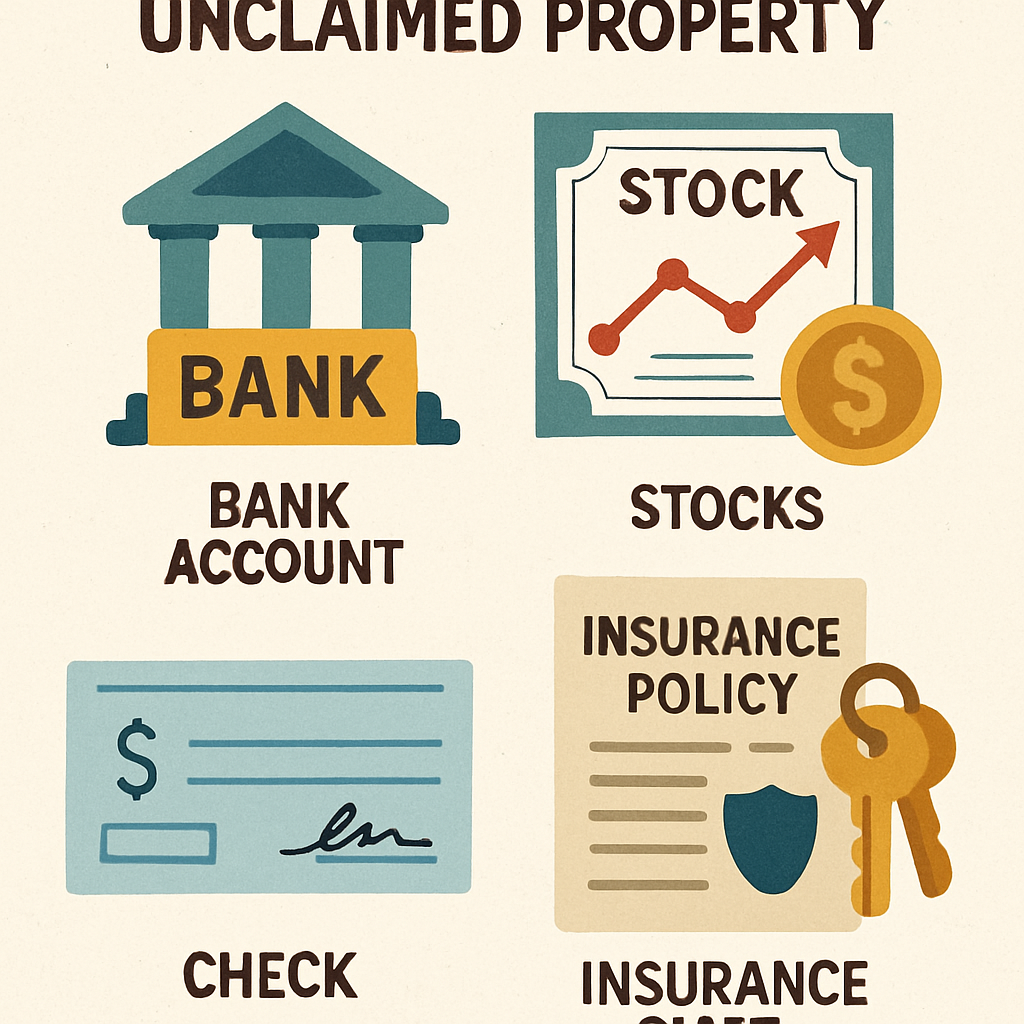
Unclaimed property includes a wide range of assets. Common examples are forgotten savings accounts, dividends, and utility deposits. It does not cover physical items, like real estate or cars.
Examples of Unclaimed Property:
- Bank accounts
- Stocks and bonds
- Insurance policies
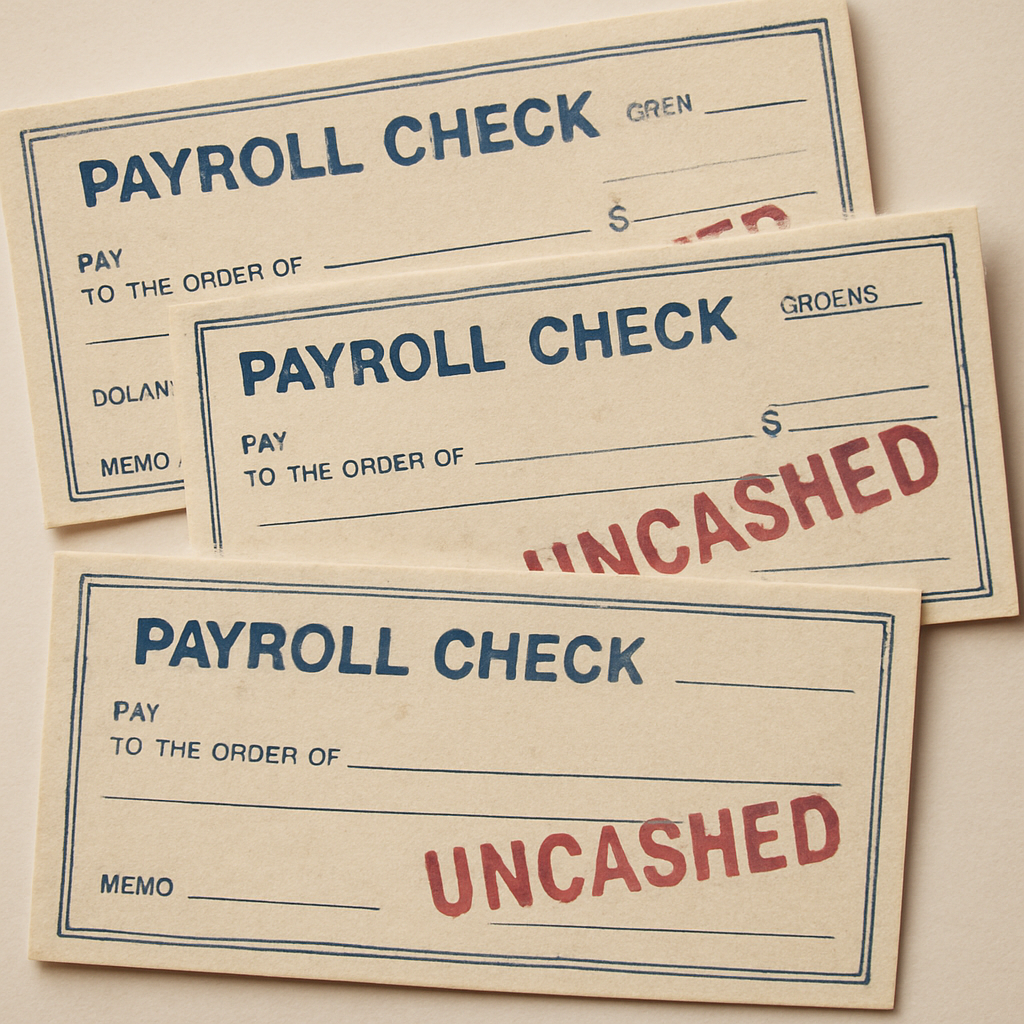
- Uncashed payroll checks

State laws require companies to report these unclaimed assets after a set time. Each state has an office dedicated to managing unclaimed property. This means even if you’ve moved away, your assets might still be waiting for you in a different state.
Understanding unclaimed money can be valuable. By knowing what qualifies as unclaimed property, you can better navigate the process. You might discover hidden assets just waiting to be claimed.
Common Sources of Unclaimed Funds
Unclaimed funds can arise from various overlooked accounts and deposits. These financial assets are often forgotten and left behind. The reasons can vary from simple neglect to death of the owner.
Unclaimed funds often come from routine transactions and accounts. Sometimes it’s because of an uncashed check or a dormant account. Here are some common origins:
- Old bank accounts
- Expired gift cards
- Security deposits from utilities
- Tax refunds
- Life insurance payouts
Unclaimed money might not seem much at first. But, the amounts can add up over time. It’s essential to track down these sources. Being proactive about this search could lead to finding valuable resources. Regular checks can make all the difference in recovering lost funds.
How to Search for Unclaimed Money
Searching for unclaimed money can be simple and rewarding. Many official sources offer comprehensive databases to streamline the search. These resources are often available online.
Start by visiting official state websites. Each state has a dedicated office or department for unclaimed property. They provide free search tools on their sites.
National resources can also be helpful. Organizations such as the National Association of Unclaimed Property Administrators (NAUPA) have centralized databases. You can search across multiple states using sites like Unclaimed.org and MissingMoney.com.
To begin your search, follow these steps:
- Use your full legal name.
- Search various combinations of your name.
- Explore every state you’ve lived in.
- Check federal resources for tax refunds.
- Repeat the search every few years.

Be aware of variations in spelling or initials. Errors can lead to missing significant amounts of money. It’s advisable to dedicate some time to cover all possibilities.
It’s important to remember these services are free. Be wary of sites charging fees. Always use established and reputable platforms when seeking unclaimed funds. Regular searches can prevent missing out on what’s rightfully yours.
Step-by-Step Guide to Claiming Your Unclaimed Property
Claiming unclaimed property involves a clear process. Start by identifying the asset or funds in your search results. Review all details to confirm your connection.
Next, follow the instructions provided on the state’s website. Each state has specific claim procedures. Ensure you understand the requirements for your claim.
Typically, you’ll need to verify your identity. This could involve submitting documents like a government ID or proof of address. Gather any evidence proving ownership or entitlement.
The process may differ slightly between states. However, most claims require these general steps:
- Complete the claim form provided.
- Attach copies of required identification.
- Include proof of your previous addresses.
- Add any supporting documents.
- Submit the form as directed.

After submission, patience is important. Processing times can vary. States might request additional information. Be prepared to respond promptly if contacted.
Finally, once verified, you should receive your funds. Enjoy the satisfaction of reclaiming what is yours. Always keep copies of your submission for record-keeping.
Tips to Avoid Scams and Protect Your Information
When searching for unclaimed money, be cautious. Scammers often pose as legitimate services. Always use official state and federal websites.
Never pay fees upfront to claim unclaimed property. Legitimate state services do not charge fees. If you’re asked for money, it’s likely a scam.
To keep your information safe, avoid sharing sensitive details online. Securely encrypt passwords and use two-factor authentication when possible. Always verify the source before providing personal data.
Here’s a quick list to ensure safety:
- Use only official websites like MissingMoney.com.
- Avoid unsolicited offers via phone or email.
- Check website URLs carefully for authenticity.
- Keep personal identification numbers confidential.
- Report any suspicious activity immediately.
Frequently Asked Questions About Unclaimed Money
You might wonder if you have unclaimed money waiting. It’s common. Many people unknowingly leave assets behind.
Is there a time limit to claim unclaimed property? Typically, no. Most states hold funds indefinitely, but checking regularly is smart.
People often ask about eligibility. If you’re an heir or beneficiary, you can claim unclaimed assets. Proof of relationship is usually required.
Here’s a quick list of frequently asked questions:
- What is unclaimed money?
- How do I start a search?
- Are all financial assets claimable?
- Can businesses have unclaimed property?
- How often should one check for unclaimed funds?
By addressing these inquiries, you can better understand the process and start your journey toward financial recovery.
Conclusion: Why You Should Check for Unclaimed Money Regularly
Checking for unclaimed money is a smart financial move. New funds are reported to states each year. By staying proactive, you could discover forgotten assets.
Unclaimed property offers a hidden source of financial gain. Whether it’s an old bank account or uncashed check, it’s worth investigating. Regular checks ensure no opportunity is missed in reclaiming what’s rightfully yours.