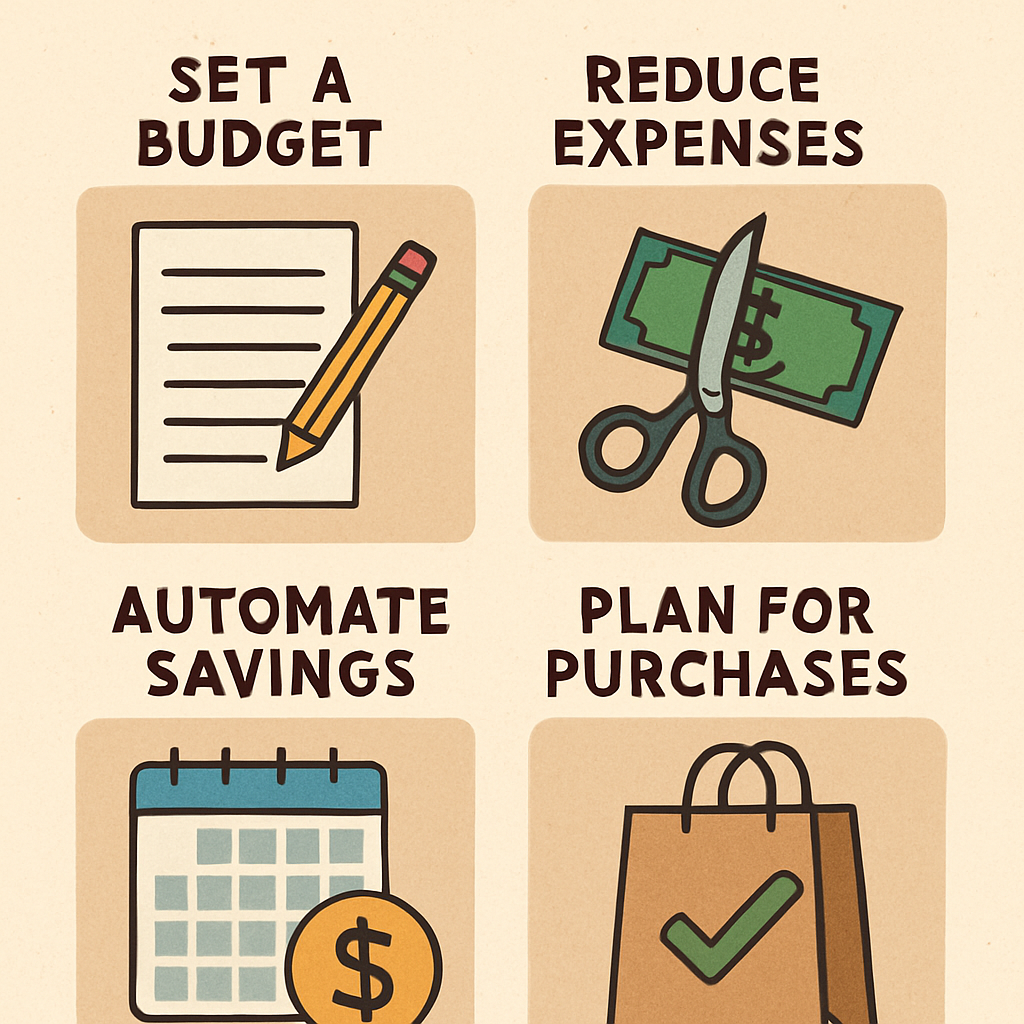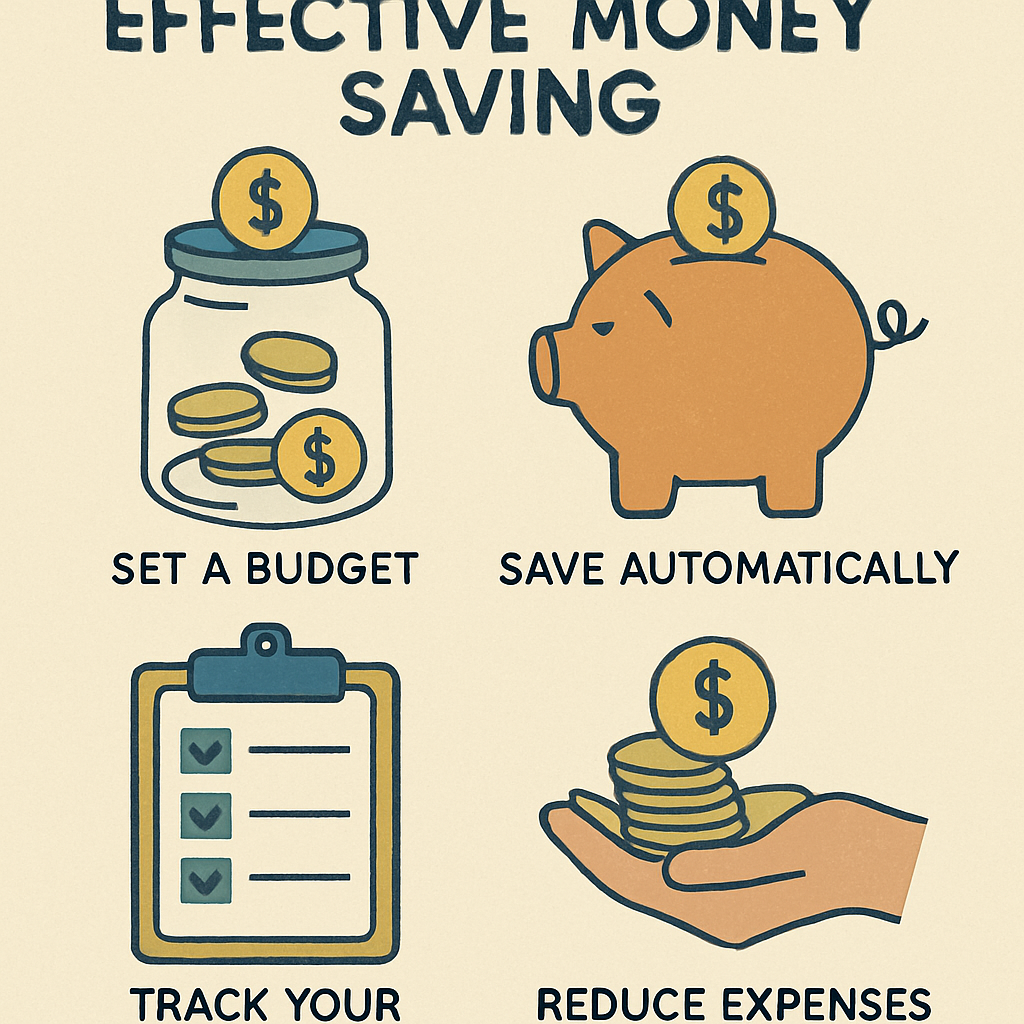
Saving money is a crucial skill for achieving financial stability. It requires discipline and smart strategies.
Many people struggle with money management, often feeling overwhelmed by expenses.
However, with the right money saving advice, anyone can improve their financial habits.
This guide will provide practical tips to help you save money effectively.
By following these strategies, you can enhance your money management skills and reach your financial goals.
The Importance of Money Management
Managing money wisely is key to financial success. It helps ensure you live within your means. Effective money management can reduce stress related to finances.
When you focus on managing your money, you can identify spending habits. This can reveal areas where you can save. As you become aware of these patterns, you’ll find more opportunities to save money.
A proactive approach includes several key steps:
- Create a budget to track income and expenses.
- Set specific financial goals to guide your spending.
- Regularly review your financial health to make informed decisions.
By embracing these habits, you enhance your financial literacy and confidence. In turn, this makes future money management easier and more intuitive.
Setting Clear Financial Goals
Clear financial goals can motivate your saving journey. They provide direction and purpose to your money management efforts. Goals should be specific, achievable, and time-bound.
Define what you aim to achieve financially. This could include buying a home, funding an education, or saving for retirement. Consider both short-term and long-term goals in your planning.
To effectively set financial goals:
- Break goals down into manageable steps.
- Assign deadlines to each goal.
- Regularly assess progress and adjust as needed.
Having clear targets keeps you focused. It provides a roadmap for your saving strategies. These goals remind you of the bigger picture during challenging times. Stay committed and watch your efforts transform into financial success.
Building a Realistic Budget
Creating a budget is essential for effective money management. It helps you track your income and spending habits. A realistic budget aligns with your financial goals and lifestyle.
Start by listing all sources of income. Include wages, side hustles, and any other regular earnings. This is your financial foundation.
Next, track all expenses. Divide them into fixed (rent, bills) and variable (groceries, entertainment) categories. This division helps you identify areas for adjustment.
To build a realistic budget:
- Use budgeting apps for accurate tracking.
- Allocate funds for savings and emergencies.
- Adjust your budget as income or expenses change.

A clear budget guides your financial decisions. It empowers you to save effectively and avoid overspending. Maintaining a budget creates stability, helping you reach your financial milestones.
Practical Ways to Save Money Every Day
Saving money daily can be straightforward with the right strategies. Small, consistent changes add up over time, contributing to financial stability. Here are some practical tips to help you save each day.
Cook at home instead of dining out. Preparing your meals saves money and fosters healthier eating habits. Plan meals weekly to reduce food waste and control costs.
Consider using public transportation or carpooling. Reducing commuting costs can significantly cut monthly expenses. If possible, walk or cycle for nearby errands.
Embrace frugal living by seeking cost-effective alternatives. Choose a homemade coffee instead of a pricey café version. Small daily choices accumulate to substantial savings.
Try implementing these habits:
- Shop with a list.
- Use coupons and discounts.
- Avoid impulse buys with a 24-hour rule.

These straightforward adjustments transform your financial landscape over time. Saving money daily doesn’t require drastic sacrifices. Instead, it involves smart, mindful spending and consistent, small efforts.
Cutting Unnecessary Expenses
Identifying and cutting unnecessary expenses is crucial for effective money management. Begin by reviewing your regular spending to spot non-essential outlays. This step helps you recognize where your money goes.
Cancel subscriptions and memberships that you seldom use. These monthly charges can quickly add up. Re-evaluating them frees up funds for more important priorities.
Implement these cost-cutting strategies:
- Minimize luxury purchases.
- Borrow books from libraries.
- Use public facilities for recreation.
By focusing on essentials and limiting superfluous expenditures, you’ll have more resources for savings. This disciplined approach not only aids in saving money but also supports long-term financial stability. Emphasize needs over wants for lasting progress.
Smart Shopping and Spending Habits
Cultivating smart shopping and spending habits is essential in your journey to save money. Always approach shopping with a plan. Make a list before heading out to avoid impulse buys.
Comparison shopping can significantly reduce spending. Take time to check prices online or with different retailers. This small effort can lead to big savings.
Consider these smart spending tips:
- Use discount coupons and cashback offers.
- Buy in bulk for non-perishable goods.
- Wait for sales to purchase costly items.
By adopting these habits, you can minimize unnecessary expenses. Mindful spending will increase your savings and enhance your financial health. Remember, every little saving counts in the long run.
Automating and Growing Your Savings
Automating savings can greatly simplify your money management. Set up automatic transfers to your savings account with each paycheck. This ensures consistency and reduces the temptation to spend extra cash.
Consider these simple automation strategies:
- Schedule recurring transfers to your retirement accounts.
- Use apps that round up purchases to the nearest dollar and save the difference.
- Allocate a percentage of your income to a high-yield savings account.
Growing your savings requires consistent effort and strategic thinking. Look for opportunities to boost savings, like cash bonuses or tax refunds. Channel these funds towards your savings goals. This way, you can build wealth over time while staying disciplined.
Staying Motivated and Tracking Progress
Maintaining motivation on your money-saving journey is crucial. Regularly monitor your progress to see the impact of your efforts. Small successes can inspire further action and dedication.
Consider these tracking strategies:
- Use a budgeting app to visualize your savings growth.
- Set up periodic check-ins to assess financial goals.
- Celebrate milestones to reinforce positive saving behaviors.
Staying committed to your plan requires continuous effort and adaptation.
Conclusion: Commit to Your Money Saving Journey
Saving money is not a one-time task but an ongoing journey. It requires persistence and a clear vision of your financial future. By implementing smart strategies, you can transform your habits and achieve your goals.
Commit to the process and embrace each small victory. Remember, every step forward reinforces your dedication. Stay focused, keep adapting, and continue making informed financial decisions for lasting success.