Unclaimed funds are a hidden treasure waiting to be discovered. These funds often include forgotten bank accounts, uncashed checks, or insurance policies. Many people are unaware they might have unclaimed money waiting for them.
Each state in the U.S. has a division dedicated to managing these unclaimed funds. This division ensures that the rightful owners can reclaim their lost assets. Understanding how this process works can help you recover what is rightfully yours.
In this guide, we will explore the division of unclaimed funds. We will explain how you can search for and claim your unclaimed property. Discover how to protect your assets and ensure they don’t become unclaimed.
What Are Unclaimed Funds and Property?
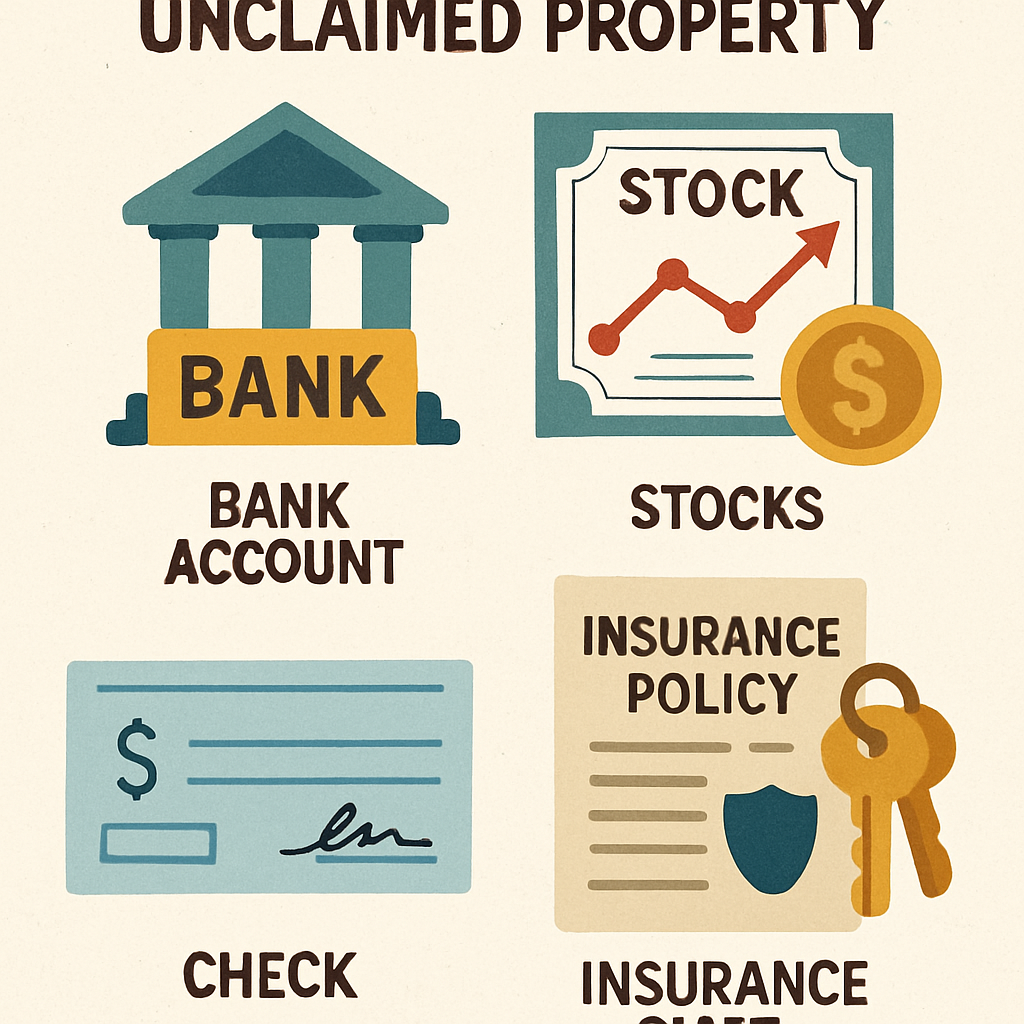
Unclaimed funds are financial assets left unclaimed by their owners for a specific period. These assets span various types and often include forgotten items. Common examples of unclaimed property are prevalent and diverse.
- Bank accounts
- Uncashed checks
- Stocks
- Insurance policies
- Utility deposits
Escheatment is the process through which these funds are handed over to the state. This process ensures that unclaimed assets are kept safe until claimed. The Unclaimed Property Division manages these assets on behalf of the state.
Each state holds these funds until the rightful owner comes forward. States use the funds for public projects if left unclaimed. Recovering unclaimed funds can sometimes surprise people with unexpected benefits.
How the Division of Unclaimed Funds Works
The Division of Unclaimed Funds ensures abandoned assets are secure until their owner claims them. This division is crucial for managing large amounts of unclaimed property.
Each state has its own division responsible for these tasks. The division actively monitors unclaimed funds, making efforts to find the rightful owners. It also educates the public about how to claim their lost assets.
The process involves several steps:
- Businesses report unclaimed funds.
- The division receives and safeguards these assets.
- Efforts are made to locate the owners.
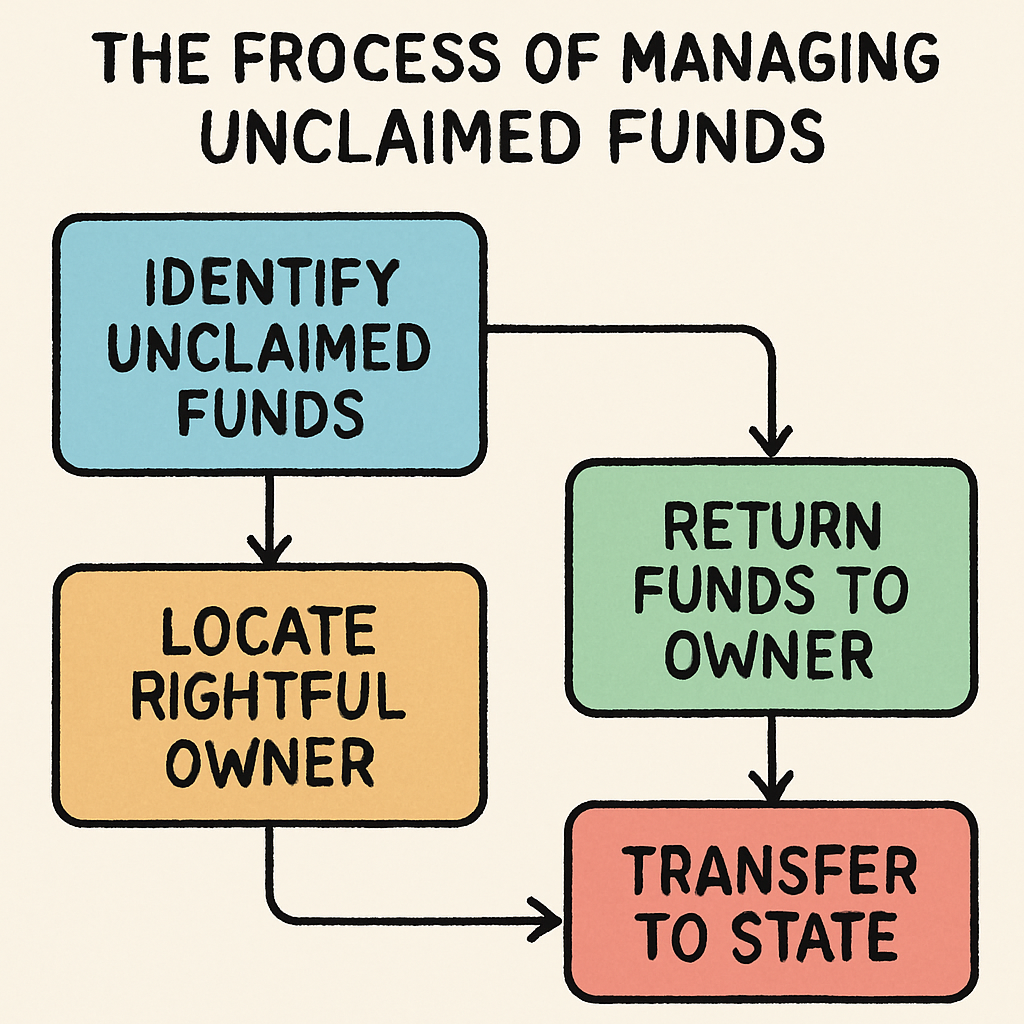
States may use unclaimed funds for public benefit until claimed. This means they might invest in public services or projects. Such usage ensures that unclaimed assets aren’t stagnant, benefiting society at large.
How to Search for and Claim Unclaimed Money
Finding unclaimed money can be a straightforward process. Many states offer online tools to search for unclaimed funds.
Websites like MissingMoney.com help streamline this search across various states. They are user-friendly, requiring only a few key details to begin.
When you find a possible claim, documentation will be needed. Prepare to provide proof of identity and ownership to access these funds.
Here’s how you can start:
- Visit a state’s unclaimed property website.
- Input personal details to search for unclaimed assets.
- Follow the instructions to file a claim.
These steps help ensure you reclaim what is rightfully yours. Keeping your information updated further simplifies any future claims.
Key Tips and Facts About Unclaimed Property
Understanding unclaimed property laws can significantly benefit you. These laws are designed to protect consumers and ensure rightful returns.
States use unclaimed property for public gain until claimed. Funds might be invested in infrastructure or other public projects.
To make the most out of unclaimed funds, consider these tips:
- Regularly check for unclaimed funds to avoid losing assets.
- Ensure your contact details are current with all financial institutions.
- Educate yourself about your state’s claim process.
Taking these actions can prevent potential financial losses. Knowing the rules helps you secure your financial future.
Conclusion: Protecting Your Assets
Claiming unclaimed funds can bolster your financial security. Staying informed about unclaimed property is crucial.
Regularly check both state and national databases for unclaimed funds. Being proactive ensures no financial assets slip through your grasp. This diligence helps protect your financial well-being for the long term.