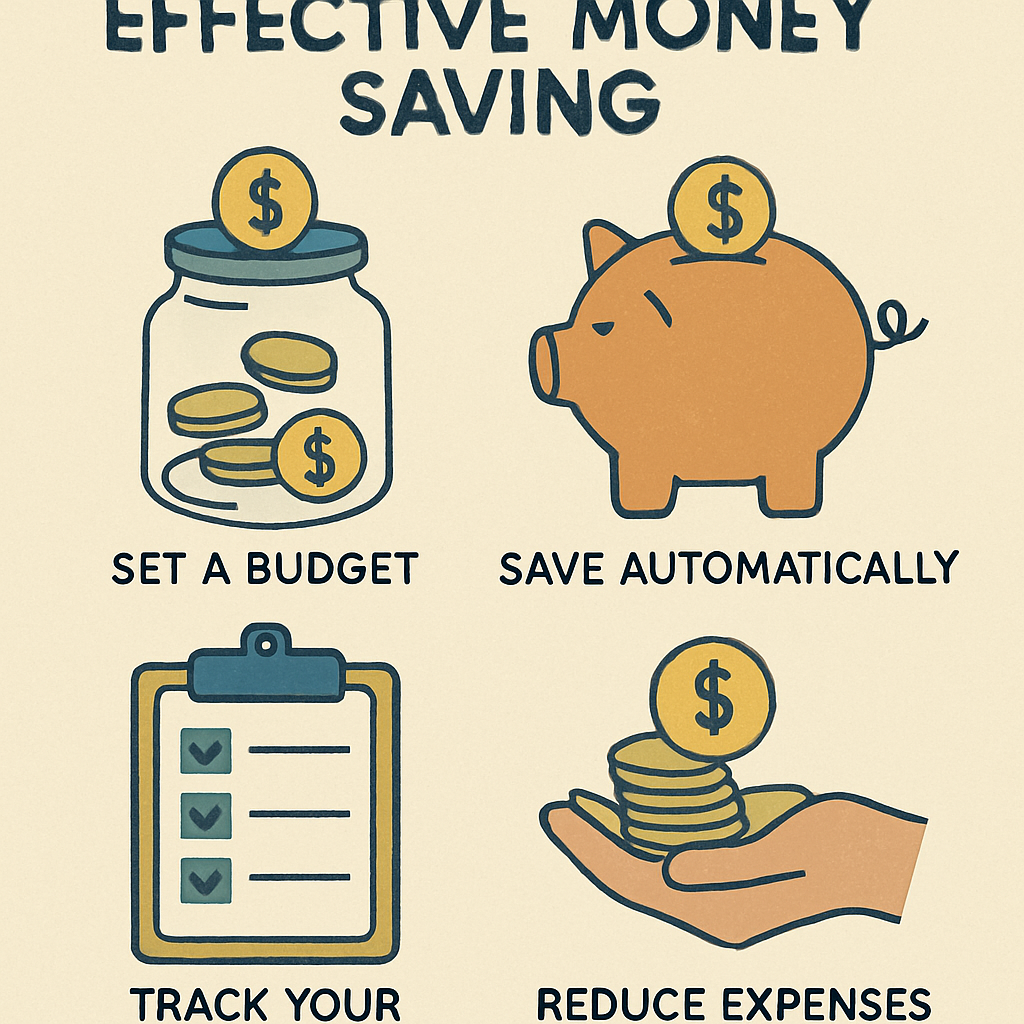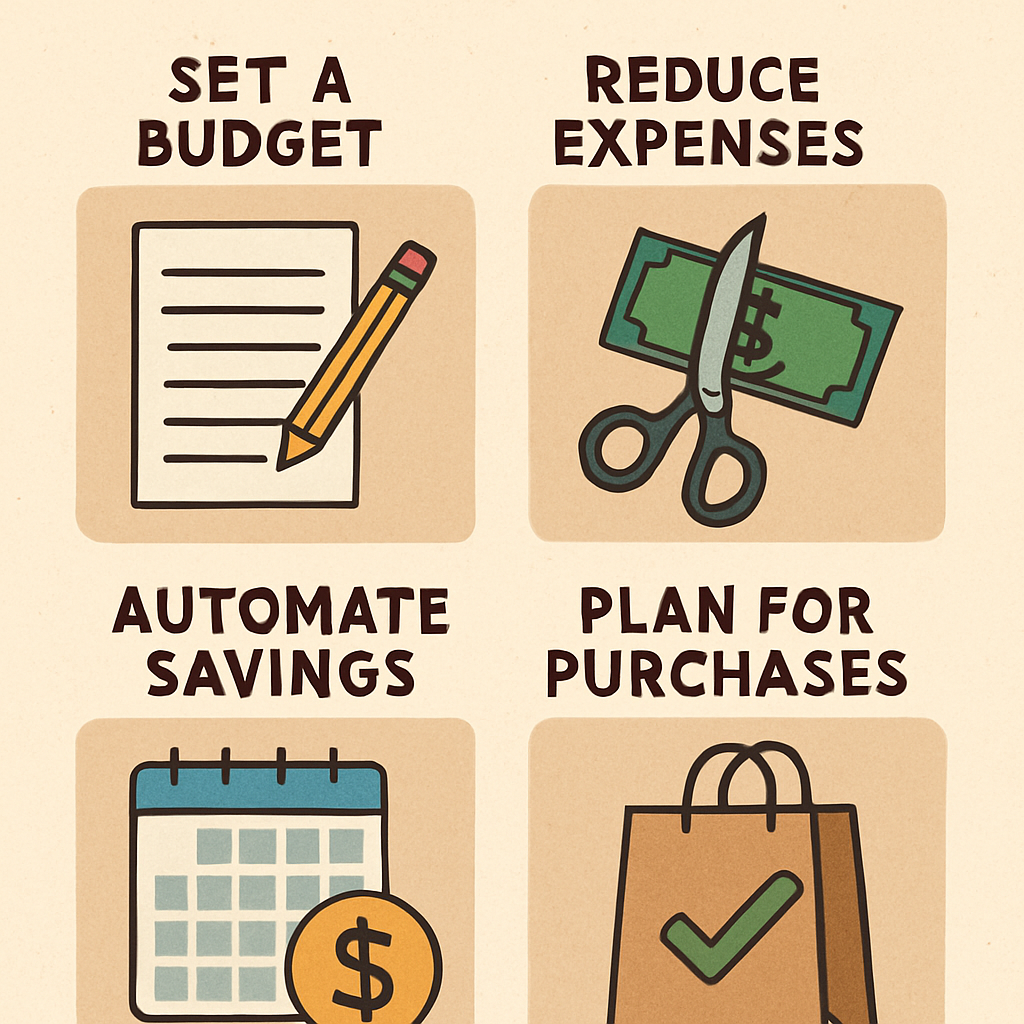
Saving money is a crucial skill for achieving financial stability. It allows you to reach long-term goals and enjoy peace of mind.
Whether you’re a young adult, a family, or someone seeking better financial habits, saving money is essential.
This guide will provide practical strategies tailored to different lifestyles. You’ll learn how to reduce expenses and manage your finances effectively.
From budgeting to using money saving envelopes, these tips will help you control spending.
Start your journey to financial freedom today by exploring these money-saving strategies.

Why Money Saving Matters
Understanding the importance of saving money is crucial for financial health. It secures your future and provides a safety net for emergencies. Saving money ensures that you’re prepared for life’s uncertainties, reducing stress.
Money saving is not just about cutting costs. It’s about achieving financial independence and stability. When you save, you set yourself up for future opportunities, like buying a home or retiring comfortably.
Consider these key reasons why saving money is important:
- Helps you achieve financial goals, big and small.
- Provides security during emergencies or unexpected events.
- Enables you to have choices and freedom in life.

Regular saving habits lead to more than just accumulated wealth. They nurture discipline and foresight. By recognizing and acting on the importance of saving, you can transform your financial outlook. Make a commitment today to prioritize savings, and you’ll thank yourself tomorrow.
Building a Strong Foundation: Budgeting and Planning
Developing a strong financial foundation begins with effective budgeting. A well-crafted budget acts like a roadmap for your financial journey. It helps track expenses, identify spending patterns, and manage cash flow.
Creating a budget might seem daunting, but it’s simpler than it appears. Start by listing your income and all expenses to determine your financial standing. Break down expenses into categories, such as housing, utilities, groceries, and entertainment.
Budgeting tips to get you started:
- Prioritize needs over wants.
- Allocate funds for savings as a fixed expense.
- Adjust your budget regularly to reflect changes.

Planning is an integral part of budgeting. It sets the stage for achieving short- and long-term financial goals. Consider what you want to achieve within the next month, year, and decade.
A budget and plan together foster disciplined spending habits. They also provide clarity on what truly matters to you financially. Remember that budgeting is not a restriction; rather, it empowers better decision-making. With a solid budget and plan, you can confidently pursue your financial dreams without fear of overspending.
The Envelope System: Money Saving Envelopes Explained
The envelope system offers a straightforward way to manage cash. It helps individuals control spending by using physical envelopes for expense categories. This technique requires discipline but can drastically reduce overspending.
To implement the envelope system, start by defining your spending categories, such as groceries, entertainment, and dining out. Allocate a set amount of cash to each envelope based on your budget. Once the cash in an envelope is spent, you cannot spend more in that category until the next budgeting cycle.
Benefits of the envelope system include:
- Reinforces mindful spending habits.
- Provides a visual representation of spending limits.
- Encourages sticking to your budget.

This method relies heavily on using cash, making you think twice before making purchases. By physically managing cash, the envelope system fosters a more intentional relationship with money. It’s a practical tool for those who struggle with digital transactions or prefer hands-on money management. Over time, it can lead to better financial awareness and discipline, steering you towards improved savings.
Expense Reduction: Practical Ways to Cut Costs
Reducing expenses can make a significant difference in your savings. Begin by identifying areas where you frequently overspend, such as dining out or subscription services. Once you’ve pinpointed these areas, start by making small, practical changes.
Consider shopping for groceries in bulk to lower costs. Using coupons and cashback apps can also amplify your savings. Another strategy is meal planning, which helps avoid impulse buys and reduces food waste. Cooking at home more often also keeps dining costs down.
Practical ways to reduce expenses include:
- Canceling unused subscriptions.
- Negotiating bills, such as insurance or cable.
- Opting for energy-efficient appliances to lower utility bills.

Transportation costs can be trimmed by carpooling or using public transportation. Moreover, regularly evaluating your bills can uncover unnecessary charges or better deals. Simple DIY fixes and maintaining household items rather than replacing them can also keep costs at bay. By implementing these cost-cutting strategies, you can contribute significantly to your financial goals. Expense reduction doesn’t have to be an arduous task; small, conscious steps can lead to meaningful savings over time.
Smart Shopping and Everyday Savings
Smart shopping involves making informed choices to maximize your budget. Before shopping, create a list and stick to it to avoid impulse purchases. Doing thorough price comparisons and looking for sales can lead to significant savings on essentials.
Another strategy is to embrace loyalty programs offered by retailers. These programs often provide discounts, points, or exclusive offers. Cashback credit cards also present opportunities for savings on everyday purchases, like groceries and gas. Be mindful of seasonal sales where you can stock up on items at reduced prices.
Key tips for smart shopping include:
- Using cashback apps for additional discounts.
- Comparing prices across different stores or online platforms.
- Timing purchases around major sales events, such as Black Friday.

Consider buying generic brands, which often offer similar quality at a lower cost. Another smart approach is to explore online marketplaces for deals on second-hand or refurbished items. By adopting these smart shopping habits, you can significantly increase your savings while still fulfilling your needs. Developing a conscious attitude towards spending not only supports your financial goals but also promotes a more disciplined lifestyle.
Saving Money at Home: Utilities, Food, and More
Cutting costs at home can lead to substantial savings. Start by evaluating your utility usage. Simple changes, like using energy-efficient bulbs and unplugging devices, can reduce electricity bills. Adjusting your thermostat by a few degrees can also result in significant savings.
When it comes to food, meal planning is an effective strategy. Plan your meals weekly to avoid last-minute dining out. Cooking in bulk and freezing meals can save time and money. Buying groceries in bulk and using coupons also helps reduce food expenses.
Other practical tips for saving at home include:
- Fixing leaky faucets to save on water bills.
- Planting a vegetable garden to supplement grocery needs.
- Performing DIY home repairs to avoid costly professional fees.

Making home improvements, like better insulation, can lower heating and cooling costs. Additionally, consider reviewing subscription services. Cancel or downgrade to save money on unneeded luxuries. By taking small, deliberate actions, home savings can add up, freeing more money for savings goals.
Long-Term Strategies: Automating and Growing Your Savings
For many, automatic savings can be a game-changer. By automatically transferring a set amount to your savings account, you ensure consistent savings growth. This method of saving requires minimal effort and promotes discipline.
In addition to saving, consider ways to grow your money. Investing is a valuable tool for long-term financial success. Start by exploring options like index funds or retirement accounts. These investments not only grow your savings but also help ensure a secure future.
Here are more strategies to help automate and grow your savings:
- Set up direct deposit for immediate transfers to savings.
- Explore apps that round up purchases and deposit the change into savings.
- Reinvest dividends to benefit from compound interest.

Tracking your progress is important. Regularly review your savings goals and adjust as needed. As your income increases, aim to increase your savings rate. Establishing these practices will create a strong financial foundation and prepare you for future needs.
Adapting Money Saving to Your Lifestyle
Saving methods are not one-size-fits-all. Each person has unique needs and preferences. It’s important to tailor strategies to suit your lifestyle. Consider factors such as your income, expenses, and personal goals. By doing so, you can create a money-saving plan that is both effective and sustainable.
To ensure your plan fits your life, start by identifying key areas where you spend money. Focus on what matters most to you. Maybe you prioritize travel or education. Align your savings strategies with these priorities to boost your motivation and success.
Here’s how you can customize your approach:
- Evaluate which expenses can be trimmed or eliminated.
- Utilize methods like the envelope system if you prefer cash.
- Consider whether a minimalist approach fits your personal needs.
Adapting your money-saving plan means adjusting your approach as your circumstances and priorities change. Flexibility ensures your financial health remains strong and aligned with your goals.
Staying Motivated and Tracking Progress
Maintaining motivation is essential on your money-saving journey. Recognize your progress regularly to stay encouraged. Tracking your savings helps you visualize achievements and identify areas for improvement. This practice makes your financial goals more tangible and attainable.
Here are strategies to keep you motivated:
- Set smaller, achievable goals alongside larger ones.
- Celebrate reaching milestones, even if they are minor.
- Reflect on how your financial freedom will enhance your life.
By regularly reviewing your progress, you can adjust strategies as needed, ensuring ongoing success. Remember, perseverance is key to achieving lasting financial stability.
Conclusion: Start Your Money Saving Journey Today
Embarking on your money-saving journey begins with small, intentional steps. Each strategy explored can create a path toward financial security and peace of mind.
Commit to applying these strategies today. As you progress, you’ll see substantial impacts on your financial well-being. Remember, patience and persistence are crucial. Start now, and watch your savings grow, paving the way for a more secure future.