Filing taxes can be daunting. The 1040 tax form is central to this process. It’s the standard form for U.S. taxpayers.
Understanding the 1040 form is crucial. It helps you report income and calculate taxes owed. This form is essential for accurate tax filing.
The IRS updates the 1040 form annually. Changes can affect how you file. Staying informed is key to avoiding errors.
Preparing form 1040 for tax year 2025 requires attention. You need to know the latest IRS 1040 instructions. These instructions guide you through the filing process.
Deductions and credits can reduce your tax liability. Knowing which apply to you is important. This can maximize your tax benefits.
Filing options vary. You can choose paper, e-file, or professional help. Each has its pros and cons.
This guide will help you navigate the 1040 tax form. You’ll learn the basics and more.
What Is the 1040 Tax Form?
The 1040 tax form is a fundamental document used for filing federal income taxes in the U.S. It serves as the primary tool for taxpayers to report their annual earnings, deductions, and credits.
In simple terms, the 1040 form records various income types such as wages, salaries, dividends, and capital gains. This form is comprehensive, covering many sources of income to ensure accurate tax calculation.
The 1040 form allows you to claim tax deductions and credits. These include the standard deduction, itemized deductions, and specific credits like the Earned Income Tax Credit. This helps in reducing the taxable income, thereby potentially decreasing the amount owed.
The IRS requires taxpayers to fill out this form annually. Failure to comply can result in penalties or interest. It’s essential to follow the given IRS 1040 instructions accurately to avoid errors.
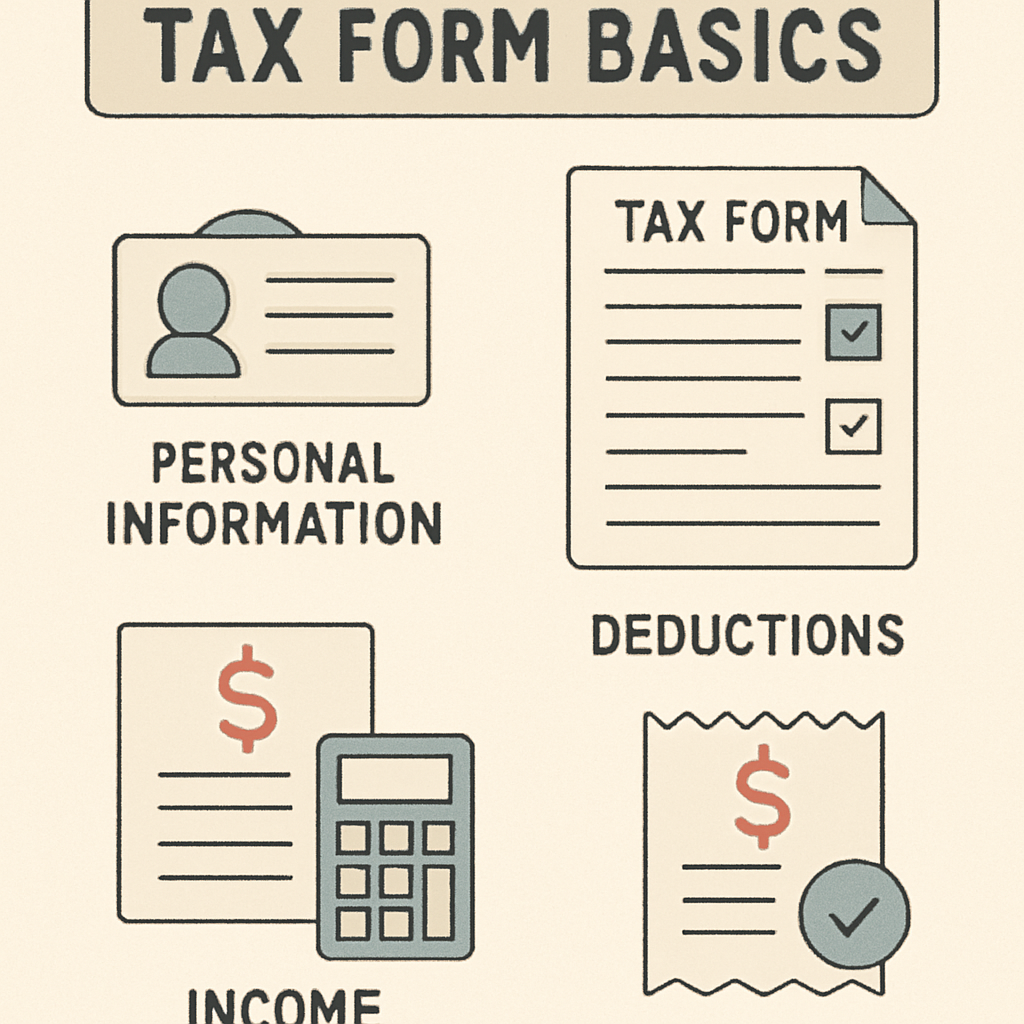
Completing the 1040 tax form involves providing personal details, income information, and claiming eligible deductions and credits. Here’s a basic outline of the sections included:
- Personal Information
- Income
- Deductions and Credits
- Taxable Income Calculation
Who Needs to File Form 1040?
Form 1040 is required for most U.S. taxpayers, but eligibility can vary. Generally, anyone with taxable income must file this form. This includes wages, interest, dividends, or other income exceeding set thresholds.
Not everyone is required to file, however. Certain criteria determine filing necessity, such as income level, filing status, and age. Individuals who meet or exceed these thresholds are mandated to submit Form 1040.
Consider these factors to determine whether you need to file:
- Your gross income is above the filing threshold
- You owe taxes on self-employment income
- You have health insurance through the marketplace
These requirements can also depend on your tax filing status like Single, Married, or Head of Household. Also, non-filers might consider submitting for refunds or to claim credits. Checking these criteria helps in understanding your filing obligations.
Key Changes for Tax Year 2025
Tax laws are subject to frequent updates. For the tax year 2025, specific changes may impact your filing process. Staying informed about these changes is critical for accurate tax returns.
One of the most notable changes could be in deduction limits and tax credits. Taxpayers should expect adjustments in standard deduction amounts due to inflation. Keeping abreast of these updates ensures you take full advantage of available benefits.
Here’s a summary of possible changes:
- Adjustments to standard deduction amounts
- Updates to tax brackets and rates
- Changes in eligibility for certain tax credits
It’s also important to stay aware of legislative changes that may affect deductions and credits. Reviewing the official IRS guidance can offer clarity on these updates. Always check for any amendments that could alter your tax strategy, ensuring your return is precise and compliant with new rules.
Overview of IRS 1040 Instructions
The IRS provides comprehensive instructions to assist taxpayers in accurately completing Form 1040. These guidelines are updated annually to reflect any tax law changes. Familiarizing yourself with these instructions can simplify the filing process.
First, review the sections relevant to your situation. The instructions cover topics from income reporting to deductions and credits, making it easier to navigate complex parts of the form. These guidelines offer clarity on common issues filers face.
To make the most of the IRS instructions, focus on these key areas:
- Income reporting requirements
- Filing status options
- Available deductions and credits
The instructions also highlight commonly overlooked sections. They provide examples and definitions to help you fully understand each form element. Reading through each part can prevent errors and ensure compliance with federal tax laws. If questions arise, the detailed guidance is indispensable for completing your return accurately.
Step-by-Step Guide to Preparing Form 1040 for Tax Year 2025
Filing your taxes can seem daunting, but preparing Form 1040 can be straightforward with a step-by-step approach. Begin by gathering all necessary documents. Collect forms like W-2s, 1099s, and any receipts for deductions.
Next, ensure you understand your filing status. Choose from options such as single, married filing jointly, or head of household. The correct status can significantly influence your tax bracket and deductions. Ensure that your personal information is correct before proceeding.
With your documents in hand, you can start reporting income. Carefully note all sources of income, including wages, dividends, and other earnings. Ensure you accurately list amounts to prevent issues later.
Once income is reported, consider your deductions. Decide between the standard deduction and itemizing, based on which offers greater benefits. Bear in mind that standard deduction amounts change annually.
Check the credits available to you. Tax credits like the Earned Income Tax Credit can reduce the amount you owe. Make sure you qualify before claiming any credit. Properly listing these can enhance your return.
Evaluate your tax liability after deductions and credits. This step includes calculating the taxes owed based on the current tax brackets. Verify your math carefully to avoid penalties or refunds delays.
Finally, decide how you’ll file. You can e-file for faster processing or submit a paper return. E-filing often speeds up refunds and offers confirmation of receipt.
Before submitting, review your entire form for accuracy. Catch any errors early to prevent costly delays or issues. Double-check all numbers and personal details for precision.
Follow these steps to prepare your 1040 tax form confidently.

Understanding Schedules and Attachments
The 1040 tax form can require additional schedules and attachments depending on your financial situation. These schedules help detail specific types of income, deductions, or credits.
Schedules may seem complex, but they serve crucial roles. For instance, Schedule A is for itemized deductions. If you have mortgage interest or substantial medical expenses, this schedule applies.
Schedule B is needed when reporting interest or dividend income. It’s essential when your taxable interest or ordinary dividends exceed specific amounts. Correctly completing it ensures accurate tax calculations.
If you run a business, Schedule C may be necessary. This schedule reports profit or loss from business operations. Each business-related expense should be carefully documented for accuracy.
Here’s a quick list of common schedules:
- Schedule A: Itemized deductions
- Schedule B: Interest and ordinary dividends
- Schedule C: Profit or loss from business
Additional forms might be required for specific needs. For example, Schedule E is for rental properties, and Schedule SE for self-employment tax. Knowing which schedules apply can simplify the filing process.
Here’s another list for lesser-known yet important schedules:
- Schedule E: Supplemental income and loss
- Schedule SE: Self-employment tax
Before filing, review all schedules for accuracy. Missing or incorrect schedules can delay processing. Be sure each attachment supports your claims on the 1040 form.
Deductions and Credits: Maximizing Your Tax Benefits
Understanding deductions and credits can greatly impact your tax return. They are powerful tools to reduce your taxable income and the total tax you owe.
Deductions lower the income that is subject to tax. You can choose between the standard deduction or itemizing deductions. Each taxpayer should calculate both options to find the greater benefit. The standard deduction amount changes yearly, so it’s crucial to check current figures.
Here’s a list of common deductions:
- Mortgage interest
- Charitable donations
- Medical expenses over 7.5% of AGI
Tax credits, on the other hand, directly reduce the amount of tax owed. Some credits are refundable, potentially resulting in a refund. Others are non-refundable, reducing tax to zero but not beyond.
Key tax credits to consider include:
- Earned Income Tax Credit (EITC): Helps low to moderate-income workers and families.
- Child Tax Credit: Provides support for families with children.
Maximizing deductions and credits requires careful planning and documentation. Keep receipts, records, and IRS guidelines handy to support your claims. By strategically using these tax benefits, you can significantly impact your bottom line come tax season.
Common Mistakes to Avoid When Filing Form 1040
Filing your tax return on Form 1040 can be intricate. Careful attention is needed to avoid common pitfalls. Errors can result in processing delays or penalties.
A prevalent mistake involves incorrect Social Security numbers. Ensure that names and numbers match official documents. Another frequent error is neglecting to sign the form, which renders it incomplete.
Consider these common filing errors:
- Miscalculations: Double-check figures to avoid inaccuracies.
- Missing documents: Attach all necessary schedules and forms.
- Incorrect filing status: Choose the appropriate status for your situation.
Accurately completing your tax return demands precision. Double-check all details, and consider peer review or professional advice. Avoiding these mistakes will facilitate smoother processing and reduce the risk of issues with the IRS.
Filing Options: Paper, E-File, and Professional Help
When filing your 1040 tax form, you have multiple options. Each choice has distinct benefits and potential drawbacks. Understanding these will help you select the best method for your needs.
Paper filing is the traditional choice. It involves mailing your completed form to the IRS. This method can be slower, and processing might take weeks. Ensure all documents are complete to avoid delays.
E-filing offers a faster alternative. Submitting electronically ensures quicker processing and prompt refunds. Many taxpayers prefer e-filing due to its convenience and accuracy enhancements.
Professional help can simplify the process for those overwhelmed. Tax professionals ensure accuracy and maximize eligible deductions. This option is beneficial for people with complex financial situations.
Consider these filing options:
- Paper Filing: Best for those comfortable with mailing.
- E-filing: Quicker processing, ideal for most taxpayers.
- Professional Help: Essential for complex tax situations.

Choosing the right method can simplify filing your 1040 tax form and ensure a smoother tax season.
After You File: What Happens Next?
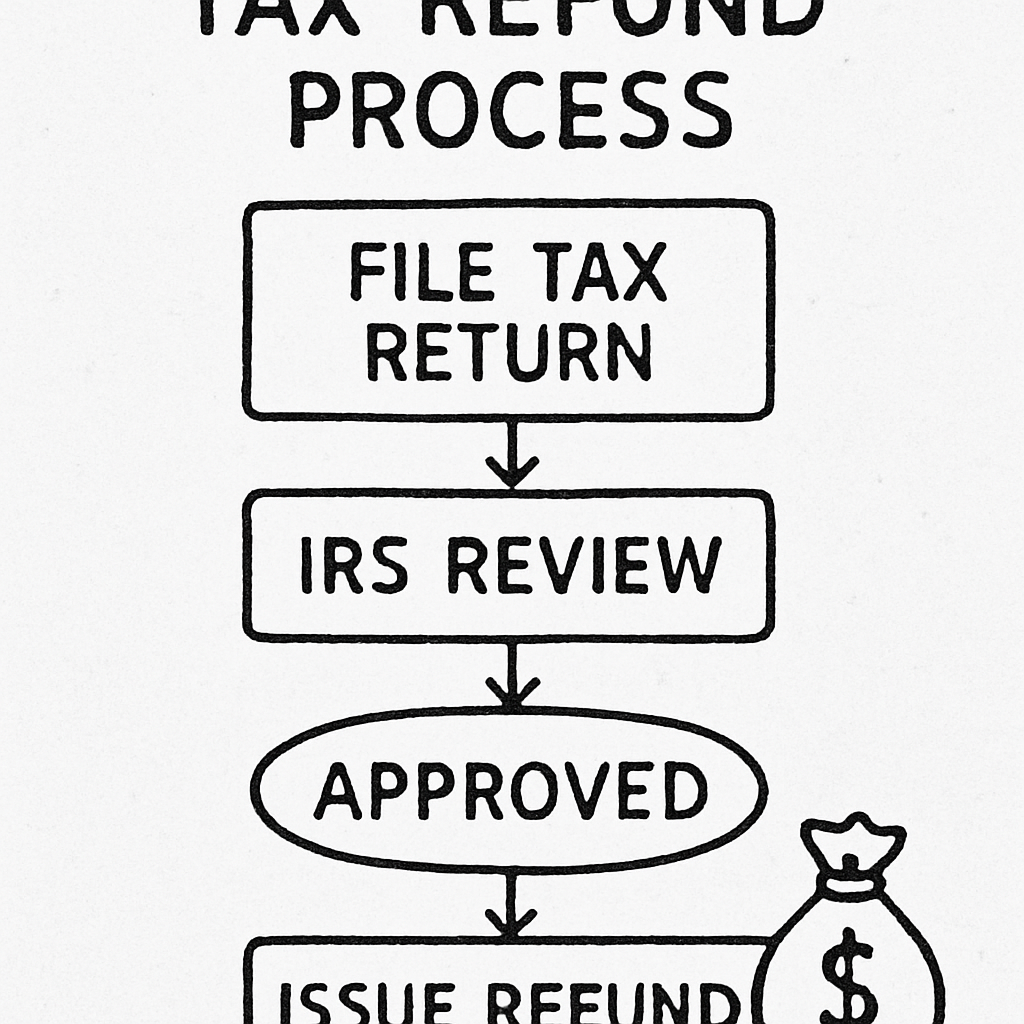
Once your 1040 tax form is filed, the IRS reviews it. They ensure all information is accurate and complete. This review process is routine for all returns.
After the review, you can anticipate either a refund or a notice of taxes owed. If eligible, you will receive your refund through your chosen method. Direct deposit typically speeds up the process.
In some cases, the IRS may contact you for additional information. Respond promptly to any IRS requests to avoid delays. Here’s what might occur after filing:
- Refund Issued: Direct deposit is the fastest option.
- Balance Due: Instructions provided on payment methods.
- IRS Inquiry: May require additional documents or clarification.
Staying informed about your return’s status can reduce stress and expedite any follow-up actions.
Frequently Asked Questions About the 1040 Tax Form
Many taxpayers have questions when filing their 1040 tax form. Addressing common queries can help demystify the process. Here’s a concise FAQ to assist you.
First, what types of income are reported on the 1040 form? Various income types, like salaries, dividends, and capital gains, are included. It’s important to ensure all taxable income is accurately reported.
Next, what’s the difference between standard and itemized deductions? Itemizing can benefit those with significant deductible expenses. However, the standard deduction is more straightforward for most filers.
Some common questions revolve around timelines. When is the 1040 form due? Usually, the deadline is April 15th, unless an extension is granted. To help clarify further, here are brief answers:
- Income Types: Wages, dividends, capital gains.
- Deductions: Standard vs. itemized.
- Filing Deadline: Typically April 15th.
Resources and Tools for 1040 Filers
Filing your 1040 form can be streamlined using available resources. Several tools from the IRS and other organizations assist taxpayers in completing their returns accurately.
Leverage the following tools and programs for support:
- IRS Free File: Free software for eligible taxpayers.
- IRS Tax Withholding Estimator: Helps ensure correct tax withholding.
- Volunteer Income Tax Assistance (VITA): Offers free tax help to eligible filers.
These resources simplify the filing process, providing guidance and support every step of the way.
Conclusion: Filing Your 1040 with Confidence
Mastering the 1040 tax form can feel overwhelming. However, with the right tools and understanding, it becomes manageable. Knowledge of the basics and detailed IRS instructions ensures an accurate tax return.
Stay informed about tax laws and changes for a seamless filing process. Utilize the available resources and consider professional guidance if needed. Filing with confidence means knowing you’ve captured your financial snapshot correctly, adhering to IRS requirements while optimizing deductions and credits.