Understanding Tax Deductions
Tax deductions are expenses that you can subtract from your taxable income, reducing the amount you owe in taxes. Understanding which deductions you qualify for is the first step in effective tax planning. These deductions can significantly lower your tax bill, making it crucial to be aware of all the options available to you. By familiarizing yourself with common deductions, you can ensure that you’re not leaving any money on the table.
Common Tax Deductions
- Standard Deduction: This is a fixed amount that reduces the income you’re taxed on. It’s available to all taxpayers and varies depending on your filing status. For many, the standard deduction is a straightforward choice that simplifies the filing process. However, understanding the specific amount for your filing status each year is crucial, as it can change with inflation adjustments.
- Itemized Deductions: These include specific expenses such as mortgage interest, state and local taxes, and charitable contributions. If your itemized deductions are greater than the standard deduction, it makes sense to itemize. This requires careful record-keeping and understanding of what qualifies, as maximizing these deductions can lead to significant tax savings.
- Educational Expenses: If you’re paying for education, you might qualify for deductions on tuition and fees. These deductions are particularly beneficial for students or parents supporting students, as they can reduce the financial burden of higher education.
- Medical Expenses: Unreimbursed medical expenses that exceed a certain percentage of your income can be deducted. Keeping track of these expenses throughout the year can be beneficial, especially for individuals with high medical costs.
- Retirement Contributions: Contributions to retirement accounts like 401(k)s and IRAs can often be deducted, providing immediate tax benefits. These deductions not only reduce your current taxable income but also help secure your financial future.
Maximizing Deductions
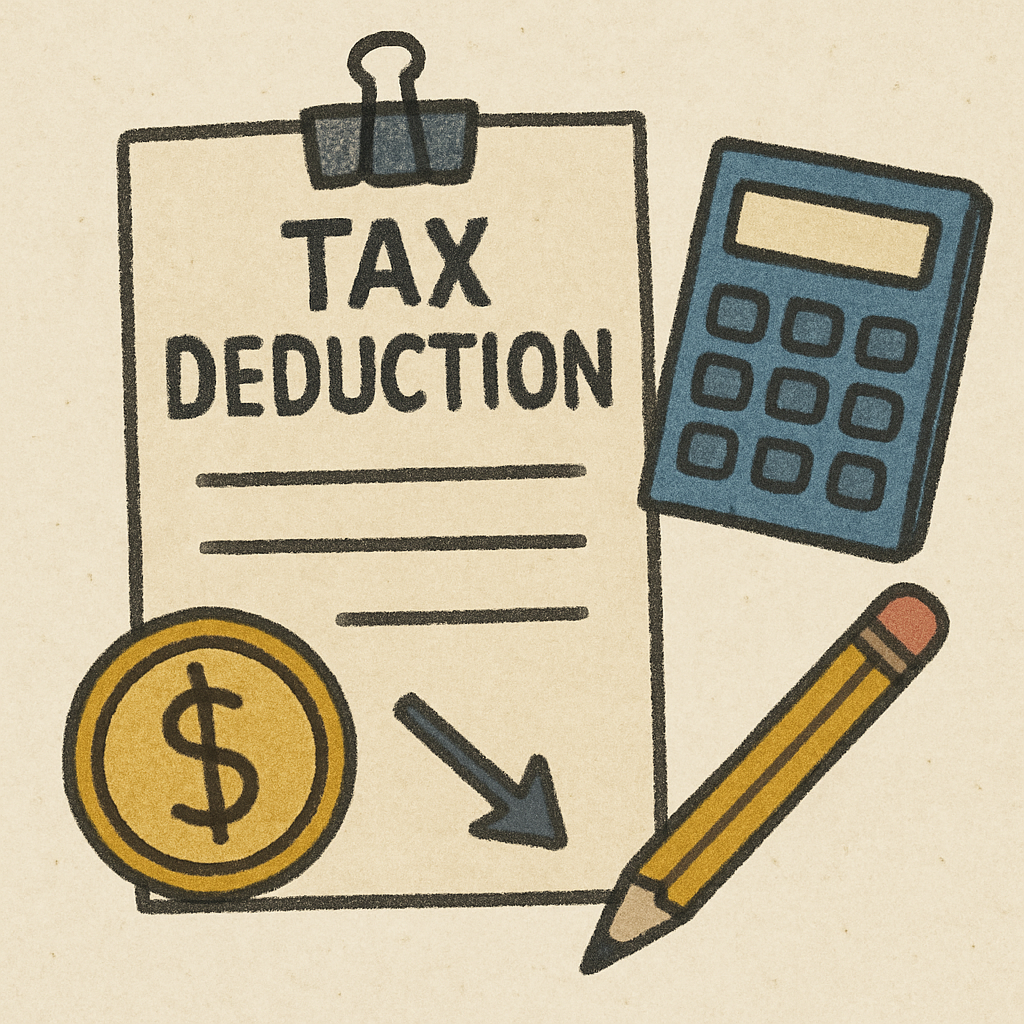
To maximize deductions, keep thorough records of your expenses throughout the year. Use technology to your advantage by leveraging apps and software that can track and categorize your spending. Organizing your financial documents can prevent you from scrambling during tax season and ensure you capture every possible deduction. Additionally, regularly reviewing your financial situation and consulting with a tax professional can help identify deductions you might have overlooked.
Strategic Tax Planning
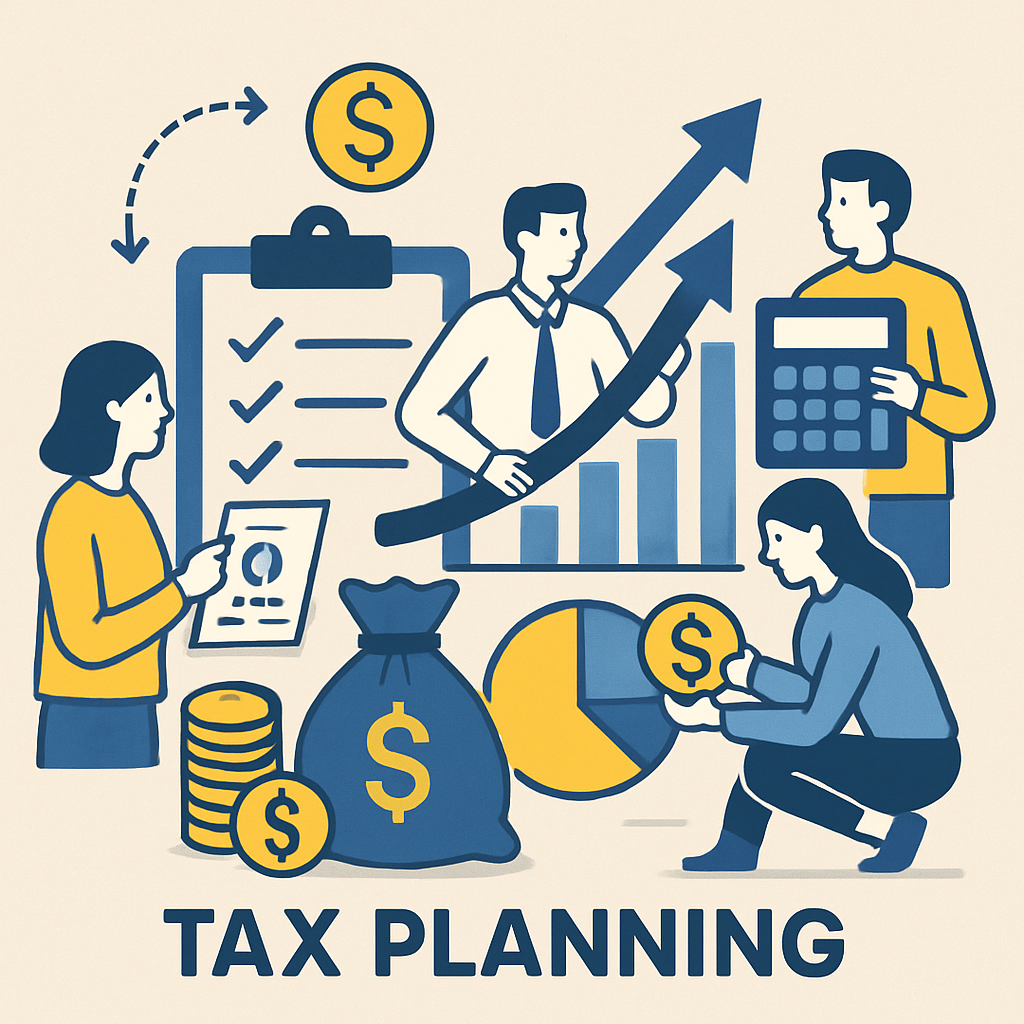
Tax planning isn’t just about deductions. It involves strategically planning your financial affairs to minimize tax liability. By considering the timing of income and expenses, and making informed decisions about retirement contributions, you can optimize your tax outcomes. Strategic tax planning requires a forward-thinking approach, considering both your current financial situation and future goals.
Timing Income and Expenses
- Income Shifting: This strategy involves shifting income to family members in lower tax brackets or deferring income to a future year when you expect to be in a lower tax bracket. This can involve gifting income-generating assets to children or setting up family trusts. Properly executed, income shifting can significantly reduce a family’s overall tax burden.
- Expense Acceleration: Accelerating expenses into the current year can increase deductions. For instance, if you know you’ll need new equipment, purchasing it before the year’s end can help you take advantage of current-year deductions. This strategy can be particularly beneficial for businesses looking to maximize their deductions and manage cash flow effectively.
Retirement Planning
- Contribute to Retirement Accounts: Maximize your contributions to retirement accounts. Not only do they provide tax deductions now, but they also grow tax-deferred or tax-free depending on the account type. This dual benefit of immediate tax savings and long-term wealth accumulation is a powerful incentive to prioritize retirement contributions.
- Roth IRA Conversions: Consider converting a traditional IRA to a Roth IRA. While you’ll pay taxes now, withdrawals in retirement could be tax-free. This strategy can be particularly advantageous if you anticipate being in a higher tax bracket in the future, allowing you to lock in lower tax rates today.
Tax Preparation Tips
Proper tax preparation ensures compliance and reduces the risk of audits. Here are some tips to streamline the process. By being organized and proactive, you can minimize stress during tax season and ensure that you’re taking full advantage of available tax benefits. Additionally, understanding the tools and resources available to you can make the preparation process more efficient and accurate.
Organize Financial Documents
Keep all tax documents in one place. This includes W-2s, 1099s, receipts for deductible expenses, and records of any other income or deductions. Having a dedicated folder or digital file for these documents can save time and prevent errors when filing. Regularly updating this folder throughout the year can make tax season much less daunting.
Use Tax Software
Consider using tax software to prepare your return. These programs guide you through the process, ensuring that you don’t miss any deductions or credits. Many tax software options also offer features like error checks and electronic filing, making the process more convenient and reducing the likelihood of mistakes.
Seek Professional Help
If your taxes are complex, hiring a tax professional can be a wise investment. They can provide personalized advice and ensure that you’re taking advantage of all available tax breaks. Professionals can also help navigate any changes in tax laws and offer strategies tailored to your unique financial situation, ensuring compliance and optimization.

Staying Updated with Tax Laws
Tax laws can change frequently, impacting deductions, credits, and income brackets. Staying informed is crucial to effective tax planning. By keeping abreast of these changes, you can adjust your strategies accordingly and avoid any potential pitfalls. Being proactive about understanding tax law changes can help you make informed decisions and maintain compliance.
Follow IRS Announcements
The IRS regularly updates tax rules and provides guidance on new legislation. Following their announcements can help you stay compliant and optimize your tax strategy. Subscribing to IRS newsletters or checking their website periodically can ensure you’re aware of any significant changes that might affect your tax planning.
Consult with a Tax Advisor
A tax advisor can provide insights into how changes in tax laws affect your specific situation and suggest strategies to adapt. Regular consultations with a tax advisor can help you stay ahead of legislative changes and ensure that your tax strategy remains effective and compliant.
Tax Credits vs. Tax Deductions
While both tax credits and deductions can save you money, they do so in different ways. Understanding the difference is key to effective planning. By knowing how each affects your tax liability, you can make more informed decisions about which to prioritize in your tax strategy.
Tax Credits
Tax credits reduce the amount of tax you owe dollar for dollar. For example, a $1,000 tax credit saves you $1,000 in taxes. This makes them particularly powerful tools for reducing tax liability, as they provide a direct reduction in the amount of tax owed.
Common Tax Credits
- Child Tax Credit: Available to parents of dependent children. This credit can significantly reduce the tax burden for families, providing financial relief for the costs associated with raising children.
- Education Credits: Such as the American Opportunity Credit for tuition. These credits can help offset the cost of higher education, making it more accessible and affordable.
- Energy Efficiency Credits: For making energy-efficient upgrades to your home. These credits encourage environmentally friendly practices and can lead to significant savings on both taxes and energy bills.
Tax Deductions
Tax deductions reduce your taxable income, which can lower your tax bracket and the taxes you owe. They’re not as directly impactful as credits but can still provide significant savings. Understanding which deductions apply to your situation can help you strategically reduce your taxable income and optimize your overall tax strategy.
Planning for Future Tax Changes
As tax laws continue to evolve, planning for future changes is a smart strategy. By anticipating potential changes and preparing accordingly, you can minimize disruptions and maintain a favorable tax position.
Anticipate Legislative Changes
Keep an eye on potential legislative changes that could impact your tax situation. Being proactive allows you to adjust your strategy as needed. This might involve consulting with a tax advisor to explore potential implications and identify strategies to mitigate any negative effects.
Build a Flexible Financial Plan
Create a financial plan that can adapt to changes in tax laws. This might include diversifying your income sources or adjusting your investment strategy. A flexible plan ensures that you’re prepared for any changes and can continue to optimize your tax situation, regardless of legislative developments.
Conclusion
Effective tax planning is about more than just filing your return on time. It involves understanding your deductions, strategically planning your financial affairs, and staying informed about tax law changes. By taking a proactive approach to tax planning in 2025, you can minimize your tax liability and keep more of your hard-earned money. Remember, the key to successful tax planning is ongoing education and adaptation to new laws and circumstances. Whether you choose to handle your taxes yourself or seek professional assistance, these strategies can help ensure you’re making the most of your financial situation.