How to Create a Budget Plan
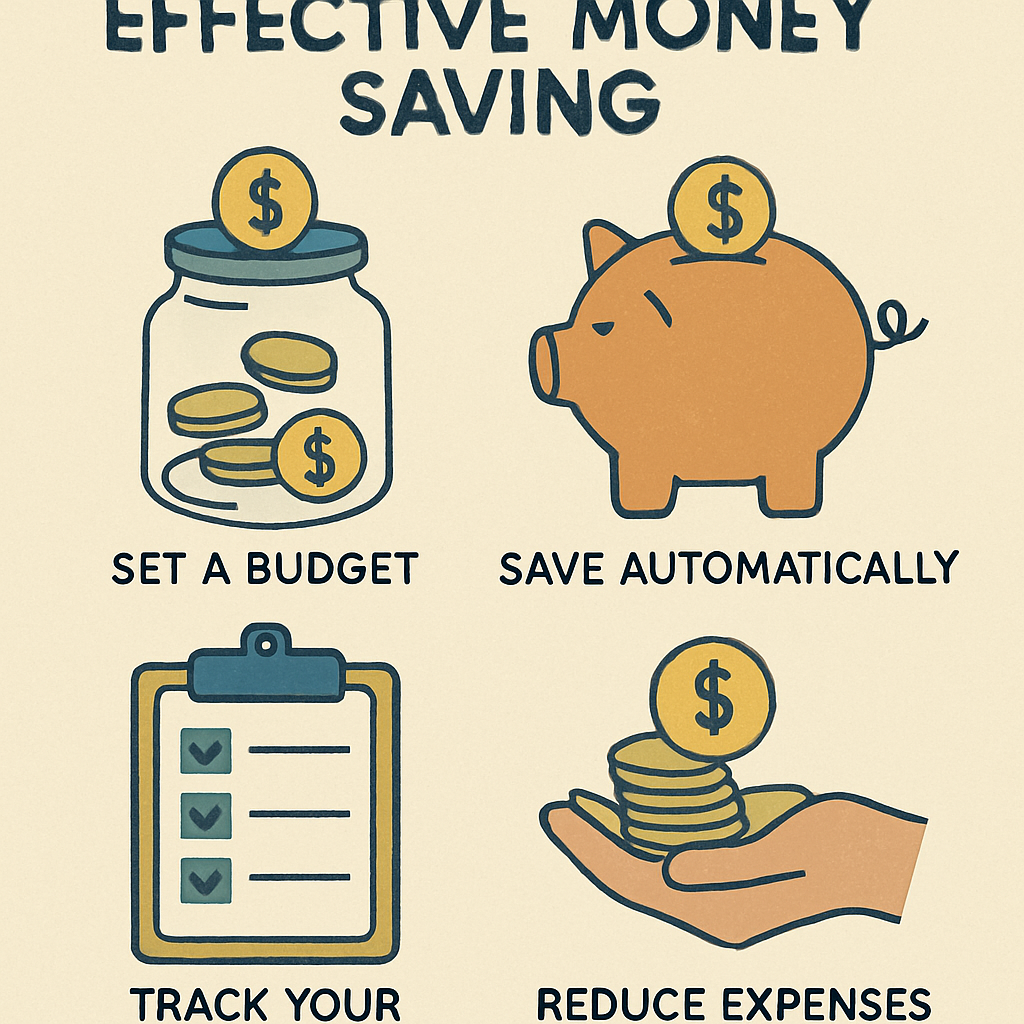
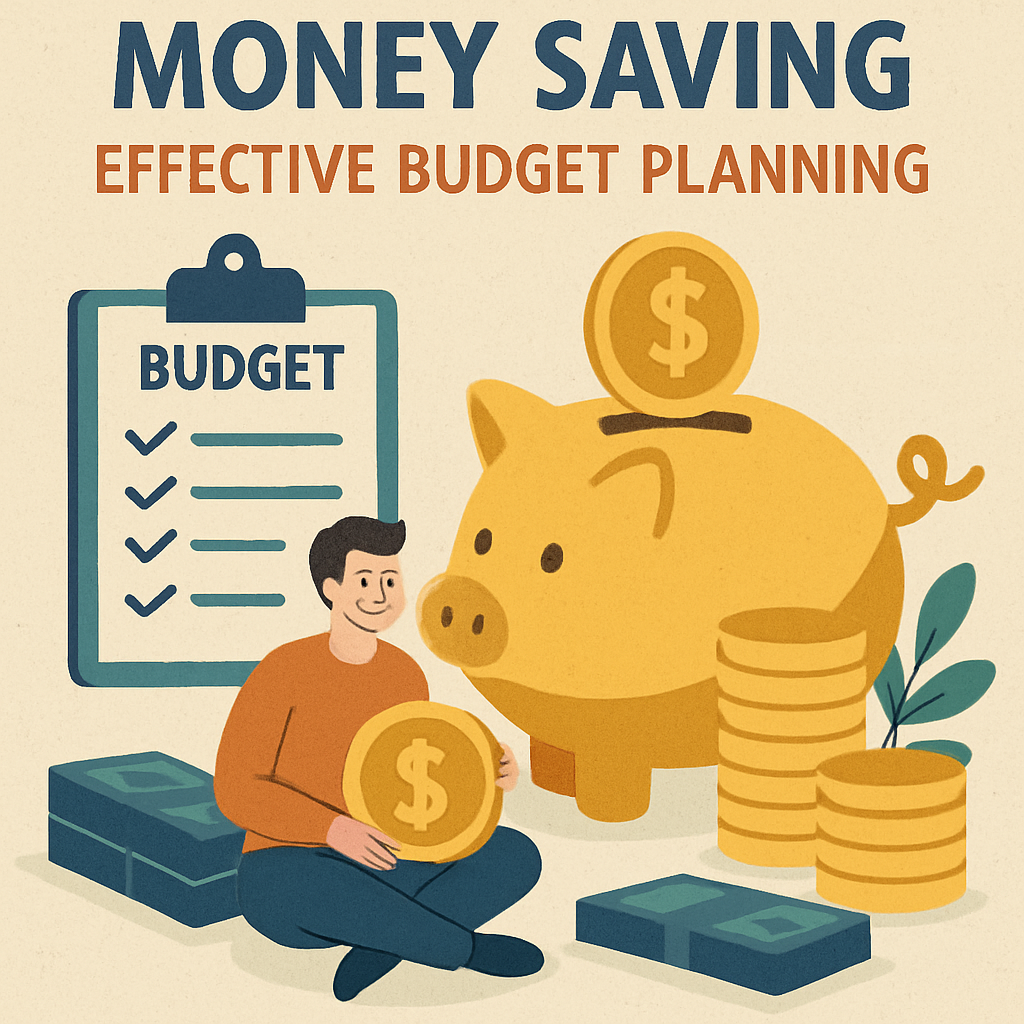
Creating a budget plan is a crucial step in achieving financial stability. It helps you manage your money effectively.
Budgeting is not just about restricting spending. It’s about making informed choices that align with your financial goals.
A well-structured budget can lead to significant money saving. It provides a clear picture of your financial situation.
Understanding where your money goes is the first step. This awareness can help you identify areas to cut back.
Setting financial goals is essential for motivation. Goals give you a reason to stick to your budget.
Tracking income and expenses is vital. It ensures you are living within your means and saving for the future.
Budgeting tools and apps can simplify the process. They offer features that make tracking and planning easier.
With a solid budget plan, you can achieve your money saving goals. It’s a path to financial freedom.
Why Budgeting Matters for Money Saving
Budgeting is the foundation of financial success. It provides a structured approach to managing money effectively. This structure is crucial for anyone aiming to save money consistently.
A budget helps you make informed decisions. These decisions can significantly impact your financial health. Understanding how much you earn versus what you spend is a key benefit of budgeting.
Here are important reasons why budgeting matters for money saving:
- Awareness: Know exactly where your money goes.
- Control: Regain control over your financial life.
- Goals: Set and achieve realistic financial goals.
- Savings: Identify opportunities to save more.
With a budget, you are less likely to overspend. It encourages more mindful spending habits. Moreover, budgeting allows you to allocate funds for savings and unexpected expenses. Emergency funds, built through consistent budgeting, provide peace of mind. This preparedness reduces financial stress when unexpected costs arise. Consistent budgeting can lead to substantial savings over time, helping you reach long-term financial goals.
Setting Your Financial Goals
Setting financial goals is the first step toward effective budgeting. Clear goals provide direction and motivation. They also offer benchmarks to measure your progress along the way.
Start by evaluating what you want to achieve financially. Goals can range from short-term targets to long-term aspirations. For instance, you might want to save for a vacation or pay off a debt.
To make goals achievable, they must be specific and realistic. Break down large goals into smaller, manageable steps. Here are examples of financial goals you might consider:
- Short-term goals: Building an emergency fund, saving for a holiday.
- Medium-term goals: Buying a car, starting a small business.
- Long-term goals: Purchasing a home, planning for retirement.
Always prioritize your goals based on urgency and importance. Some might be more pressing than others. Revisit and adjust your goals periodically. This way, they remain aligned with your financial situation and personal priorities. A well-defined set of goals will keep your budget on track and help you save money.
Tracking Your Income and Expenses
Tracking income and expenses is essential for effective budgeting. It gives you a clear picture of your financial situation. Knowing where your money comes from and goes is key to understanding your spending habits.
Begin by listing all sources of income. This includes salary, freelance work, and any passive earnings. Be sure to track both regular and irregular income. Every dollar counts in your budgeting efforts.
Next, document your expenses meticulously. Divide them into fixed and variable categories. Fixed expenses, like rent and utilities, remain the same each month. Variable expenses, such as groceries and entertainment, can vary.
To simplify tracking, use tools like spreadsheets or financial apps. This helps maintain an organized record of transactions. Here is a simple checklist to get started:
- Income Sources: Salary, Freelance work, Investments
- Fixed Expenses: Rent, Utilities, Insurance
- Variable Expenses: Groceries, Entertainment, Dining out
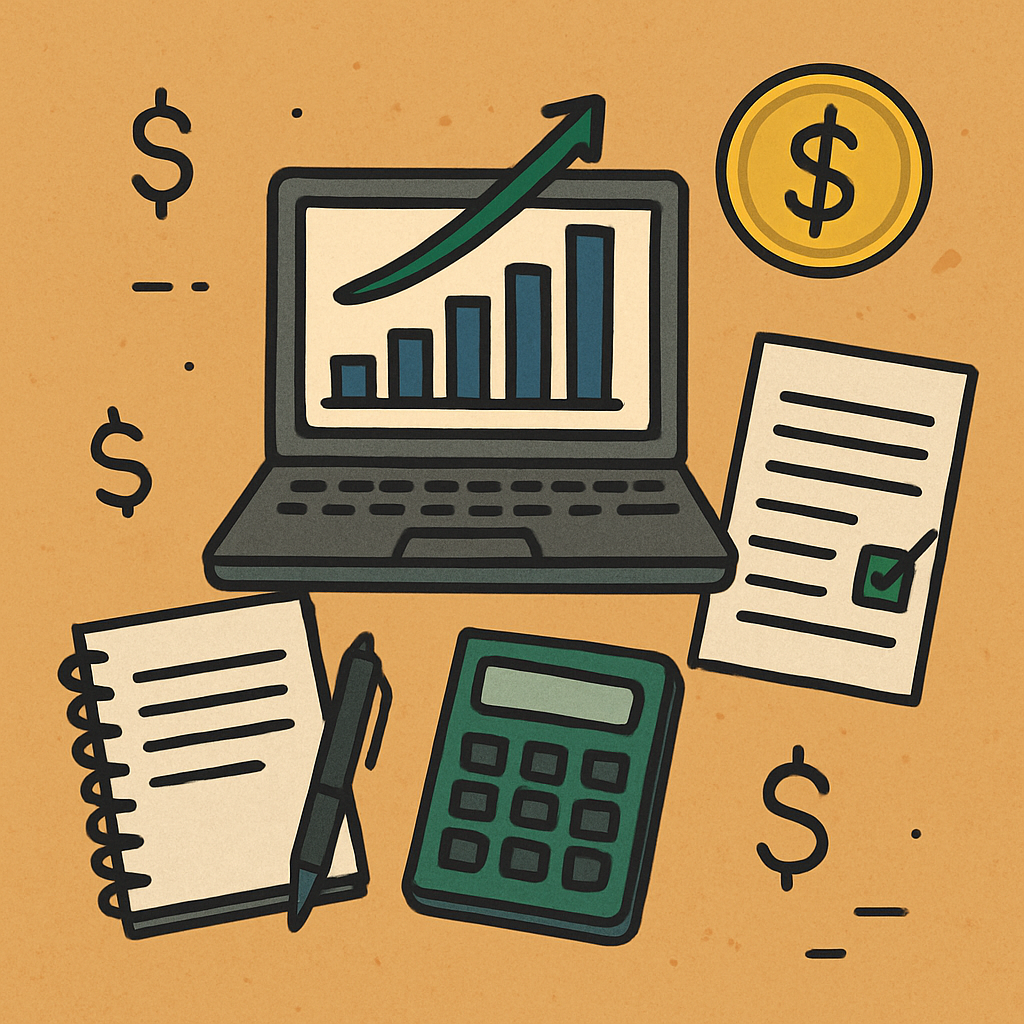
Review your income and expenses regularly. This ensures your budget reflects your current financial situation. Regular reviews can uncover areas where you can save money, helping you stay on top of your budget plan.
Categorizing and Prioritizing Expenses
Categorizing your expenses is crucial for a strong budget. It helps in identifying spending patterns and areas to cut back. Start by grouping expenses into categories. Popular choices include housing, utilities, food, and entertainment.
Once you’ve set categories, it’s time to prioritize. Essential expenses must come first in your budget. These include rent, utilities, and groceries. Allocate funds to these necessities before considering discretionary spending.
Within discretionary spending, prioritize based on personal values. For some, this may mean dining out, while others might choose hobbies or travel. Allocate funds accordingly, ensuring a balance between needs and wants.
Use a priority list to structure your budget effectively. Here’s an example:
- Essentials: Rent, Utilities, Groceries
- High-Priority Discretionary: Health, Education
- Low-Priority Discretionary: Entertainment, Dining Out
Review and adjust your categories regularly. Life changes may prompt a shift in what you prioritize. Flexibility is key to maintaining a budget that works for you. This approach ensures you’re directing your money towards your greatest needs and values, optimizing your money saving efforts.
Choosing a Budgeting Method
Selecting the right budgeting method is essential for your financial success. Various methods cater to different financial situations and preferences. It’s important to find one that aligns with your lifestyle.
Start by exploring popular budgeting techniques. Common methods include zero-based budgeting, the envelope system, and the 50/30/20 rule. Each method has its own set of advantages and challenges.
Understand each method before making a choice:
- Zero-Based Budgeting: Allocate every dollar a job, ensuring expenses match income.
- Envelope System: Use cash envelopes for different spending categories to control expenses.
- 50/30/20 Rule: Divide income into needs, wants, and savings at 50%, 30%, and 20% respectively.
Choose a method that complements your financial goals and personality. Some people prefer the structure of zero-based budgeting. Others enjoy the tangible nature of the envelope system or the simplicity of the 50/30/20 rule.
It may take some trial and error to find the best fit. Be patient and don’t hesitate to adjust. Your ideal budgeting method will ultimately empower you and enhance your money saving efforts.

Building Your Budget Plan Step-by-Step
Creating a budget plan step-by-step is the foundation for effective financial management. Follow these steps to build a robust budget that suits your needs.
1. Gather All Financial Information Start by collecting your pay stubs, bank statements, and credit card bills. Having a clear picture of your financial situation is crucial.
2. Determine Your Total Income Calculate your monthly income after taxes. Include all sources like salaries, freelancing, and rental income. This forms the base of your budget.
3. List Monthly Expenses Identify all fixed and variable expenses. Fixed costs include rent, mortgage, and insurance. Variable costs cover groceries, utilities, and leisure activities.
4. Categorize and Prioritize Expenses Distinguish between needs and wants. Prioritize necessary expenses over discretionary spending. Allocate funds to high-priority areas first.
5. Allocate Funds According to Your Chosen Method Use your chosen budgeting method to allocate money to different categories. Ensure alignment with your financial goals.
6. Review and Adjust Regularly A budget isn’t set in stone. Review it monthly to ensure alignment with your financial situation and goals.
By following this structure, your budget plan becomes a dynamic tool. It will guide your spending and savings decisions efficiently.

Tips for Sticking to Your Budget and Saving Money
Sticking to a budget can be challenging, but it’s essential for money saving. Here are practical tips to keep you on track and enhance your savings.
Create a Buffer Include a small buffer for unforeseen expenses. This prevents minor setbacks from derailing your entire budget plan.
Review Your Budget Regularly Monthly reviews help track progress and make necessary adjustments. This maintains alignment with your financial goals.
Automate Savings Set up automatic transfers to savings accounts. This makes saving a consistent, hassle-free habit.
Identify Trigger Spending Recognize what causes impulsive spending. Understanding these triggers helps in developing strategies to avoid them.
Embrace Frugality Without Sacrificing Enjoyment Frugality doesn’t mean deprivation. Find low-cost ways to enjoy hobbies and leisure activities. This ensures balance in your budget and life.
Quick Tips Checklist
- Allocate funds for fun and treats
- Use cash for discretionary spending
- Engage with online budgeting communities
- Track progress towards financial milestones
These tips can foster financial discipline and encourage positive saving habits. Implement them to maximize your chances of budgeting success.
Tools and Apps for Budgeting Success
Utilizing budgeting tools and apps can simplify the financial planning process. These technologies offer convenience and efficiency, making them ideal for those seeking to save money.
Many apps track expenses automatically, requiring little manual input. This reduces the effort needed to monitor spending habits consistently. It also encourages regular financial reviews.
Some apps offer features like setting savings goals and visualizing progress. This motivates users to stay committed to their financial plans. By seeing tangible progress, sticking to a budget becomes more rewarding.
When choosing a tool, consider ease of use and integration with your financial accounts. Popular apps include Mint, YNAB, and PocketGuard, each offering unique features.
Recommended Budgeting Apps:
- Mint: Tracks expenses and creates budgets
- YNAB: Offers goal setting and proactive budgeting
- PocketGuard: Shows available spending money after bills and savings

These tools are instrumental in maintaining a budget, helping you realize your money-saving aspirations.
Adjusting Your Budget as Life Changes
Life is full of unexpected twists and turns that can affect our finances. Adapting your budget as these changes occur is vital for sustained money saving.
A flexible budget can accommodate life changes like new jobs, family growth, or relocations. Reassess your financial plans to keep them relevant and effective.
Regular reviews ensure your budget stays aligned with your financial goals. If a significant event occurs, take the time to adjust your budget as needed.
Key Budget Adjustments:
- Increase or decrease savings based on income changes
- Reprioritize expenses with family size changes
- Adjust discretionary spending due to lifestyle changes
These strategies ensure that your financial plan remains a helpful tool, supporting your journey towards achieving money-saving goals. Adaptability is key to maintaining financial health amidst change.
Common Budgeting Mistakes to Avoid
Creating a budget is a significant step towards financial stability, but mistakes can derail your efforts. Recognizing common pitfalls can help you stay on track and achieve your goals.
One frequent error is unrealistic planning. Overestimating income or underestimating expenses can throw your budget off balance. Ensure your estimates are realistic and data-driven.
Another mistake is neglecting unexpected costs. Emergency expenses can strain finances if not accounted for. Always allocate a budget buffer for unforeseen circumstances.
Mistakes to Watch For:
- Ignoring small expenses
- Failing to track spending regularly
- Not updating your budget with life changes
Being aware of these common errors allows you to navigate around them, keeping your financial plan intact. By avoiding these mistakes, you can improve your money-saving efforts and reach your financial goals with greater ease.
Celebrating Progress and Staying Motivated
Tracking and recognizing progress is a key part of budgeting success. Celebrating even small victories keeps you motivated and engaged with your financial plan.
Acknowledge milestones, such as paying off a debt or reaching a savings target. This recognition boosts morale and reinforces positive habits. It reminds you of why you started budgeting in the first place.
Make sure to reward yourself in meaningful yet budget-friendly ways. Enjoy experiences that bring joy without breaking your financial plan. This could include:
- A small treat or meal at your favorite restaurant
- An inexpensive hobby-related purchase
- A day off to relax and unwind
Celebrations should not lead to overspending. They are about recognizing achievement and renewing your commitment to financial goals. By valuing your efforts and progress, you maintain momentum, making it easier to continue your budgeting journey and achieve greater money-saving success.
Conclusion: Achieve Your Money Saving Goals
Creating a budget is the cornerstone of successful money saving. With a well-structured plan, financial goals become more attainable.
Regularly review your budget and adjust as needed to reflect life changes. This ensures it remains effective and aligned with current priorities.
Remember, achieving financial success is a journey, not a race. Stay committed, stay flexible, and celebrate each milestone along the way. Financial discipline will pay off, bringing you closer to achieving your dreams and securing your financial future. Embrace the process, and witness how a thoughtful budget transforms your relationship with money.